January 2, 2026
Transitioning from bassinet to crib: timing, safety, and strategy
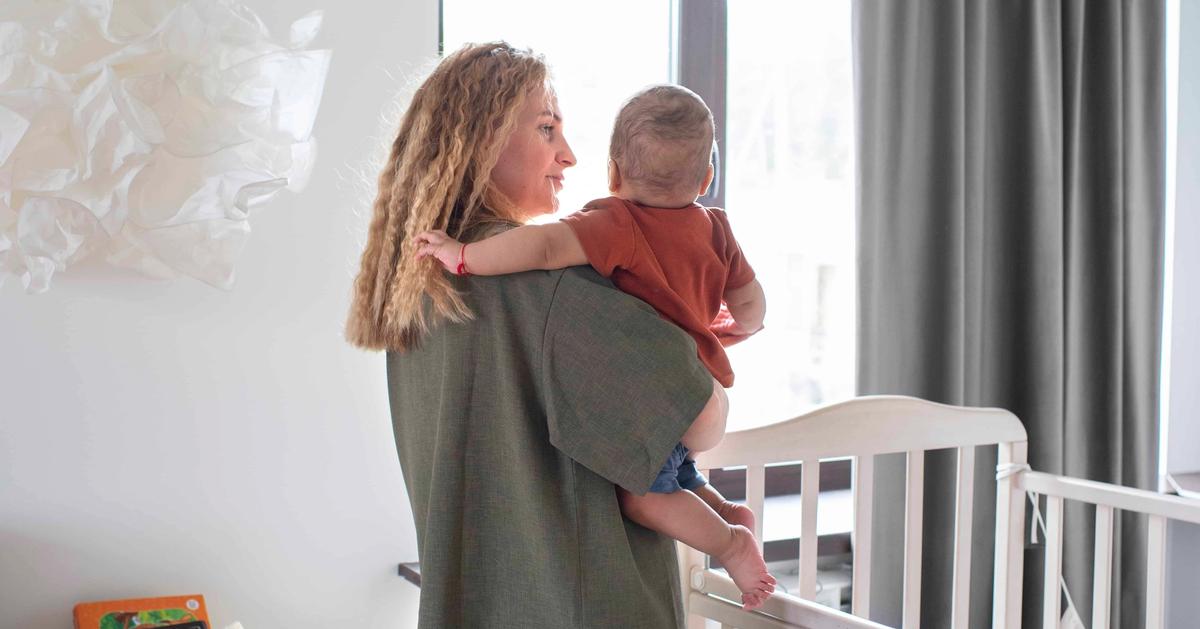
The transition from a bassinet to a crib is a significant developmental milestone that often brings a mix of excitement and sleep-related anxiety. While bassinets are convenient for the early weeks due to their small footprint and portability, babies eventually outgrow them both physically and developmentally. Understanding the timing and methods for this move is essential for maintaining a safe sleep environment.
There is no single "correct" age for moving a baby to a crib, but there are several clear physical and developmental indicators that the time has come. Most babies outgrow their bassinet between three and six months of age. The most critical sign is mobility: if your baby can roll over, push up on their hands and knees, or sit up, they must be moved to a crib immediately. Bassinets have shallower sides than cribs, and a mobile baby is at risk of leaning over the edge or tipping the unit. Additionally, every bassinet has a specific weight limit, typically between 15 and 20 pounds (7 and 9 kg). Once your baby nears this limit or appears physically cramped, the structural safety of the bassinet is compromised.
The transition itself can be approached in several ways depending on your baby's temperament and your family’s needs. If your goal is to maintain the safety of room-sharing for the recommended first six months, you may need to move a full-sized crib or a "pack-and-play" into your bedroom if space allows. To help your baby adjust to the larger, more open space of the crib, you can start by placing them in the crib for daytime naps while keeping them in the bassinet at night. This allows them to become familiar with the new environment during the day when they and you are less likely to be frustrated by sleep disruptions.
Familiarity is a powerful tool for a smooth transition. To make the crib feel less foreign, you can try to replicate the environment of the bassinet as much as possible. This means using the same type of firm mattress sheet and keeping the room at the same temperature. Some parents find success by placing the bassinet inside the crib for a few naps (if the bassinet is designed to be used as a standalone basket) to bridge the gap, though you must ensure this is done safely and according to the manufacturer's instructions. Consistency in your bedtime routine, such as the same song, bath, or feeding sequence, will signal to the baby that it is time for sleep, regardless of which place they are in.
Safety standards for the crib are more stringent than those for bassinets. Ensure the crib is assembled correctly and that there are no gaps wider than two fingers between the mattress and the crib sides. As the baby becomes more mobile, ensure the mattress is set to the lowest possible position to prevent them from climbing out. Just like the bassinet, the crib must remain entirely empty of pillows, blankets, bumpers, and stuffed animals. While the crib may look "bare" to an adult, this emptiness is what keeps the baby's airway clear and safe.
If the transition causes a temporary regression in sleep, try to remain patient and consistent. It often takes a few days to a week for a baby to get used to the different acoustics and the increased space of a crib. By prioritizing physical safety markers like rolling and weight limits and using a gradual introduction, you can ensure your baby moves to their "big" bed with minimal stress for the household.
Related Articles
December 22, 2025
Heading Out: Determining Readiness for Your Baby’s First Walks
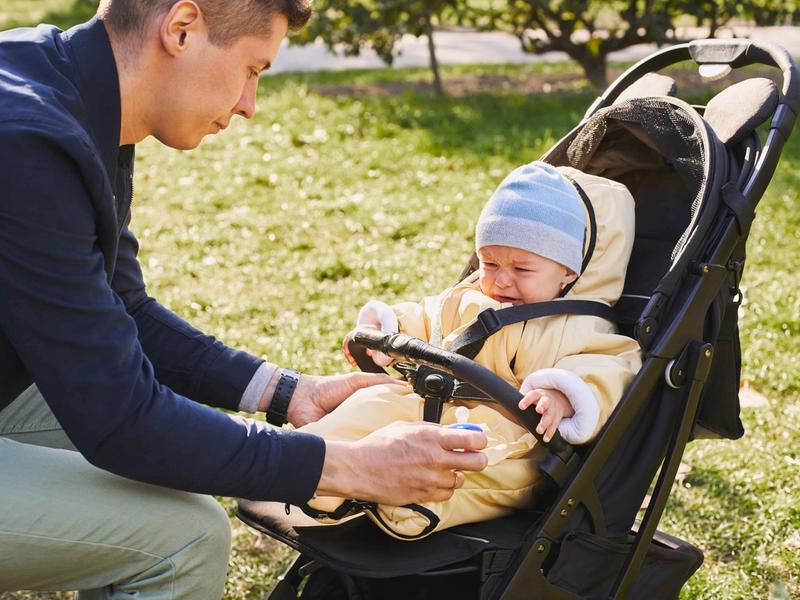
This guide is about determining the readiness and safety conditions for your baby’s first outdoor walks. Learn how to navigate weather challenges and crowd risks, and discover practical tips for dressing your baby and choosing the right gear for a successful outing.
December 19, 2025
Creating a safe space: where and how to place your baby for sleep and rest
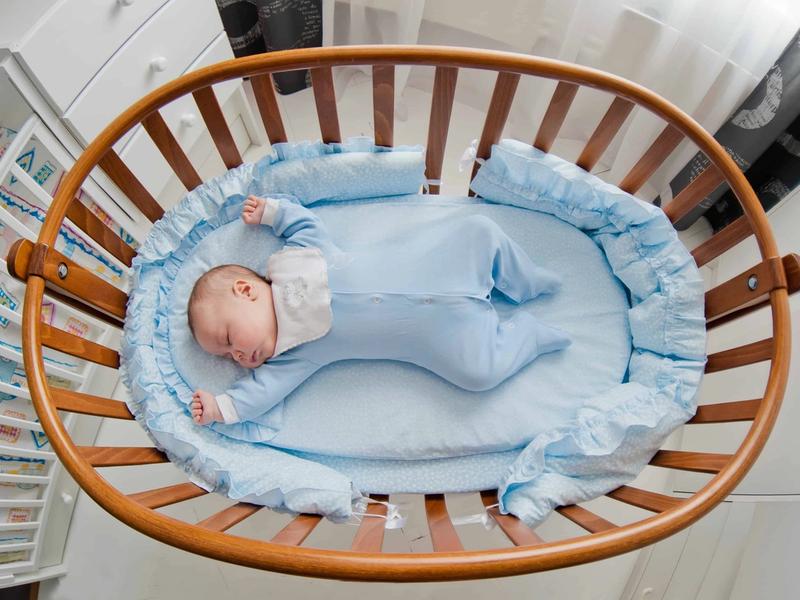
It is actually possible to establish a safe and practical sleep environment that balances safety standards with real-life logistics. Learn why room-sharing is recommended as the primary sleep space, and discover how to define and create safe sleep "stations" in any room of your house.

December 19, 2025
Car safety for your baby: a practical guide to seats, installation, and winter travel
Ensuring your baby's safety on the road is critical, and is mainly done through proper car seat usage and installation. Learn the rules for safe setup and positioning, and discover how to test your installation for stability, as well as other practical recommendations.

December 19, 2025
Baby dressing: a practical guide to comfort, climate, and smart shopping
This guide will help you build a practical, budget-friendly wardrobe that skips the fluff and focuses on comfort and safety. Discover tips on how to dress your baby safely for any weather, way to check for overheating and learn why envelope necklines are the secret to handling diaper blowouts without the mess.