December 19, 2025
Car safety for your baby: a practical guide to seats, installation, and winter travel
Ensuring your baby is safe in a vehicle is one of the most important responsibilities of early parenthood. Beyond simply having a car seat, safety depends on choosing the right seat, installing it correctly, and adjusting how you use it as your baby grows.
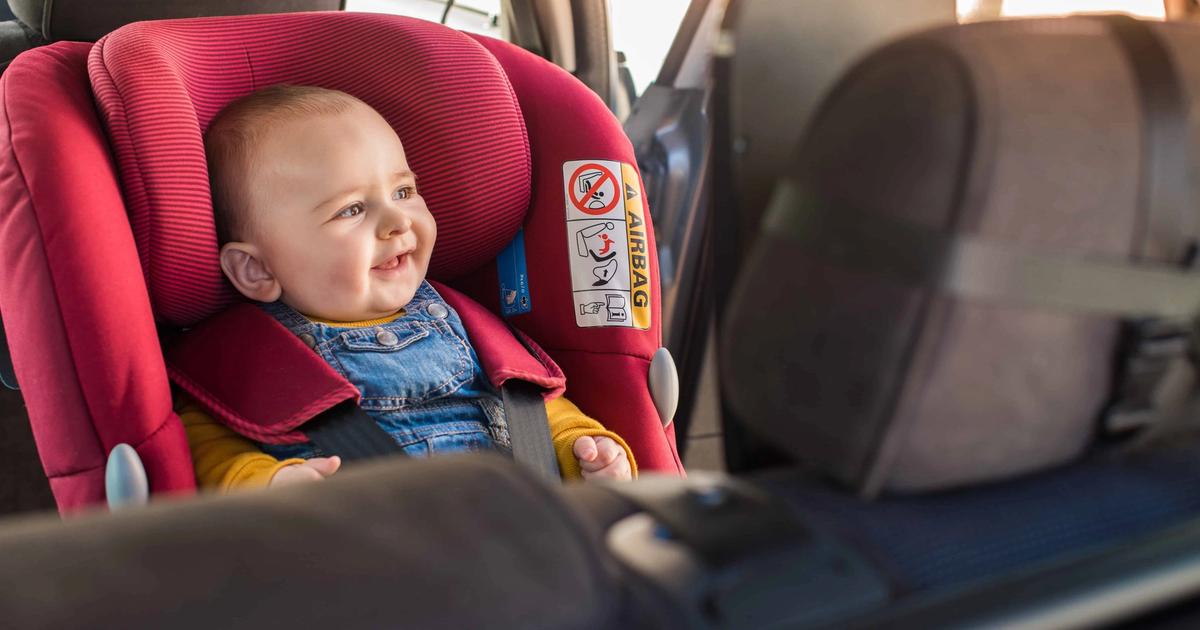
For newborns and infants, a rear-facing seat is non-negotiable. Rear-facing seats support the baby’s head, neck, and spine, absorbing the impact of a crash in a way that forward-facing seats cannot. It is widely recommended to keep your child rear-facing for as long as possible, usually until they reach the maximum weight or height limit allowed by the seat manufacturer, which is often well beyond their second birthday.
Installation is where many errors occur. A seat should be installed so securely that it moves less than one inch in any direction at the belt path. The safest place for a baby is the back seat, ideally in the middle position if a secure installation can be achieved there. Never place a rear-facing car seat in the front seat of a vehicle equipped with an active passenger-side airbag. Most infant seats have built-in level indicators. Newborns need a specific recline angle to ensure their heavy heads don't flop forward and restrict their airway.
A car seat only works if the harness is fitted correctly to the baby’s body. For rear-facing seats, the shoulder straps should be at or slightly below the baby’s shoulders. The chest clip should be positioned at armpit level to keep the straps securely on the shoulders. Once the baby is buckled, try to pinch the webbing of the strap at the shoulder. If you can pinch any fabric between your fingers, the harness is too loose and needs to be tightened.
A major safety risk during winter is placing a baby in a car seat while they are wearing a bulky coat or snowsuit. In a crash, the fluff of the coat compresses instantly, leaving the harness too loose to hold the baby in the seat. Instead, buckle your baby in their regular clothes, ensure the harness is tight, and then place a blanket or their coat over the harness to keep them warm.
Car seats are designed for safety during travel, not for prolonged sleep outside of the car. Because of the semi-upright angle, very young infants are at risk of "positional asphyxia" if left in a car seat for long periods while the seat is not clicked into its base or a compatible stroller. For long road trips, it is recommended to take breaks every 90 to 120 minutes to take the baby out of the seat and allow them to move.
If you are unsure about your installation, do not guess. The best option is to reach out a Certified Child Passenger Safety Technician who can inspect your installation. You should also consult your car seat manual and your vehicle’s owner manual, as they contain specific instructions for your exact model.
Car safety is about minimizing risk through consistent, correct habits. By focusing on tight harness, rear-facing longevity, and proper installation, you are providing the best possible protection for your child.
A gentle reminder: The content in this article is for informational purposes only and is provided as a general safety guide. Always follow the specific instructions provided by your car seat manufacturer and your vehicle’s owner’s manual. Laws and safety regulations vary by location; ensure you are in compliance with your local jurisdiction's requirements.
Related Articles
January 2, 2026
Transitioning from bassinet to crib: timing, safety, and strategy
Identify the critical physical and developmental milestones that signal it is time to upgrade your baby’s sleep environment to ensure their continued safety. Discover practical strategies to smooth this transition to minimize disruption and maintain a secure routine for your family.
December 22, 2025
Heading Out: Determining Readiness for Your Baby’s First Walks
This guide is about determining the readiness and safety conditions for your baby’s first outdoor walks. Learn how to navigate weather challenges and crowd risks, and discover practical tips for dressing your baby and choosing the right gear for a successful outing.
December 19, 2025
Creating a safe space: where and how to place your baby for sleep and rest
It is actually possible to establish a safe and practical sleep environment that balances safety standards with real-life logistics. Learn why room-sharing is recommended as the primary sleep space, and discover how to define and create safe sleep "stations" in any room of your house.

December 19, 2025
Baby dressing: a practical guide to comfort, climate, and smart shopping
This guide will help you build a practical, budget-friendly wardrobe that skips the fluff and focuses on comfort and safety. Discover tips on how to dress your baby safely for any weather, way to check for overheating and learn why envelope necklines are the secret to handling diaper blowouts without the mess.