December 22, 2025
Heading Out: Determining Readiness for Your Baby’s First Walks
The first few weeks after a baby is born are often described as a "confinement" period, but for many parents, getting outside is essential for both mental clarity and physical recovery. While there is no universal "waiting period" required before a baby can go outdoors, the decision to leave the home for non-medical reasons depends on a combination of the baby’s health, the mother’s physical recovery, and the environmental conditions. Determining when you are ready is a balance of logistical preparation and listening to your own physical and emotional cues.
From a medical perspective, a healthy, full-term infant can generally go outside almost immediately, provided they are shielded from crowds and weather. However, the "readiness" of the mother is often the more significant factor. If you are recovering from a difficult birth or a surgical procedure, your first walk should be short and close to home. You are ready when you feel you have the physical stamina to manage the stroller or a carrier and when you feel confident in your ability to handle a feeding or a diaper change while away from your primary nursery setup.
The environment also dictates readiness. During peak flu or RSV seasons, or in the midst of extreme heat or cold, it may be prudent to wait a few weeks until the baby’s immune system is slightly more robust and their ability to regulate their body temperature has improved. A quiet park or a suburban sidewalk is a much safer choice for a first outing than a crowded shopping center or a busy cafe, as these environments minimize exposure to illness and overstimulating noise.
The first walk is often a test of your "go-bag". To minimize stress, prepare your diaper bag in advance with the essentials: diapers, wipes, a changing mat, a spare outfit for the baby, and supplies for feeding. However, for a first walk, less is often more. Staying within a ten-minute radius of your home allows you to treat the outing as a "trial run" without the fear of getting caught off-guard far from the house.
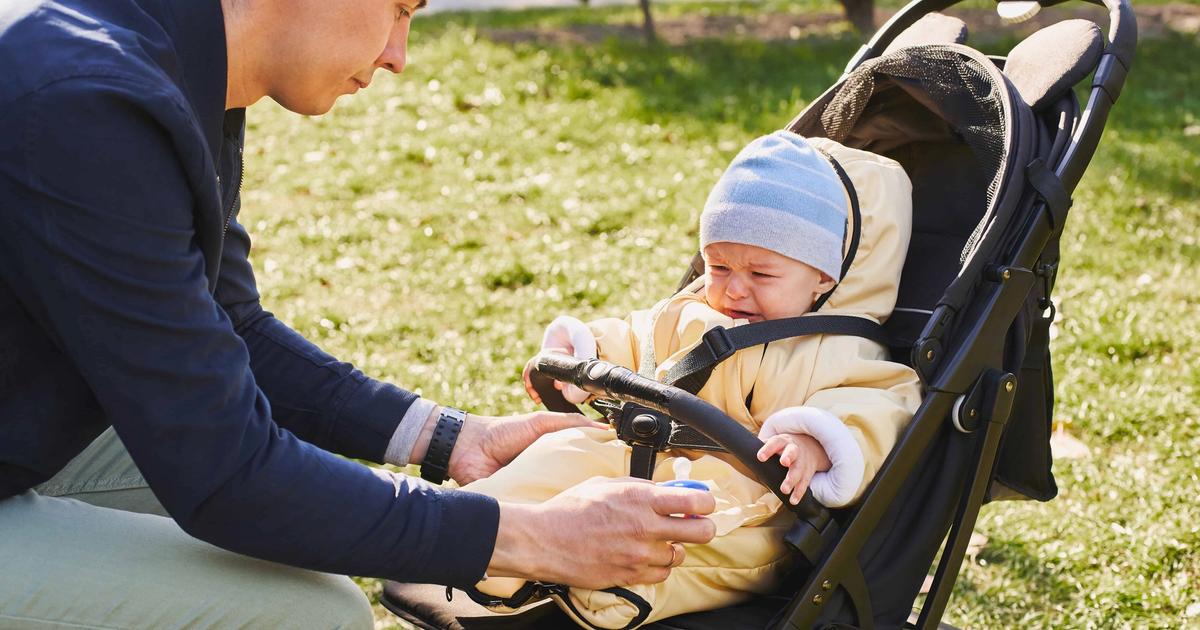
Dressing the baby correctly is the most vital part of the preparation. A general rule of thumb is to dress the baby in one more layer than you are wearing yourself. In cooler weather, this might include a base layer, a fleece, and a hat; in warmer weather, a single layer of breathable cotton and a sun hat are sufficient. If you are using a stroller, ensure the canopy provides adequate shade, and if you are using a carrier, ensure the baby’s airway is clear and their chin is not pressed against their chest.
It is normal to feel a sense of anxiety before the first outing. You may worry about the baby crying in public or whether you have packed enough supplies. To manage these emotions, keep the first "mission" simple. Aim for a twenty-minute loop around the block. The goal is not to reach a specific destination, but to build your confidence in navigating the world with your baby. Acknowledging that "perfect" outings don't exist, and that you can always turn around and go home, takes the pressure off the experience.
If you find that the thought of leaving the house feels insurmountable or causes intense panic, this may be a signal to slow down and talk to your partner or a healthcare professional. Conversely, if you feel "trapped" and desperate for fresh air, that is a clear sign that a short, quiet walk could be the best thing for your recovery. Trusting your instincts is just as important as checking the weather forecast.
Before planning significant outings or travel, it is always best to check in with your pediatrician or midwife, especially if your baby was born prematurely or had any health complications at birth. They can provide specific guidance based on the current local health climate (such as high pollen counts or local outbreaks) and your baby’s specific developmental stage. Using professional advice as your baseline allows you to step outside with the peace of mind that you are making a safe choice for your family.
A gentle reminder: The content in this article is for informational purposes only and is not intended to be a substitute for professional medical advice, diagnosis, or treatment. Always seek the advice of your pediatrician or another qualified health provider with any questions you may have regarding a medical condition. If you are facing a problem that feels sharp, persistent, or overwhelming, reaching out for professional help is a sign of strength.
Related Articles
January 2, 2026
Transitioning from bassinet to crib: timing, safety, and strategy
Identify the critical physical and developmental milestones that signal it is time to upgrade your baby’s sleep environment to ensure their continued safety. Discover practical strategies to smooth this transition to minimize disruption and maintain a secure routine for your family.
December 19, 2025
Creating a safe space: where and how to place your baby for sleep and rest
It is actually possible to establish a safe and practical sleep environment that balances safety standards with real-life logistics. Learn why room-sharing is recommended as the primary sleep space, and discover how to define and create safe sleep "stations" in any room of your house.
December 19, 2025
Car safety for your baby: a practical guide to seats, installation, and winter travel
Ensuring your baby's safety on the road is critical, and is mainly done through proper car seat usage and installation. Learn the rules for safe setup and positioning, and discover how to test your installation for stability, as well as other practical recommendations.

December 19, 2025
Baby dressing: a practical guide to comfort, climate, and smart shopping
This guide will help you build a practical, budget-friendly wardrobe that skips the fluff and focuses on comfort and safety. Discover tips on how to dress your baby safely for any weather, way to check for overheating and learn why envelope necklines are the secret to handling diaper blowouts without the mess.