
December 19, 2025
Baby dressing: a practical guide to comfort, climate, and smart shopping
Choosing clothes for a baby can quickly shift from a fun activity to an overwhelming logistical challenge. Between rapid growth spurts and the sheer variety of options, it is easy to overspend on items that are impractical or never worn. The primary goal of baby clothing is to keep the baby at a comfortable temperature while allowing for frequent diaper changes and unrestricted movement. Because newborns cannot regulate their body temperature as effectively as adults, dressing them is less about fashion and more about practical layers.
When selecting clothes, ease of access should be your top priority. You will be changing dozens of diapers a week, so outfits that require complete removal are often more trouble than they are worth. Look for "onesies" or sleepers with zippers rather than long rows of snaps; two-way zippers that open from the bottom are particularly useful for nighttime changes because they keep the baby’s chest warm while you access the diaper area. Pay close attention to the fabric and construction by sticking to breathable, natural fibers like cotton, which are gentle on sensitive skin and help prevent overheating. Always check for safety hazards by avoiding clothing with long ties, loose buttons, or decorative beads that could become choking hazards. You should also ensure that any elastic around the legs or wrists is loose enough that it doesn't leave deep red marks on the skin.
The standard rule of thumb for dressing a baby is to use layers, usually providing one more layer than you are wearing to be comfortable in the same environment. In warm weather, use single layers of thin, light-colored cotton. If you are outdoors, choose lightweight long sleeves and pants to protect skin from the sun, along with a wide-brimmed hat. In cold weather, start with a cotton onesie as a base, add a middle layer like a fleece sleeper, and use a jacket or bunting for the outer layer. To check for overheating, do not rely on a baby’s hands or feet, as these are naturally cooler. Instead, feel the baby’s chest or the back of their neck. If the skin is hot, red, or sweaty, they are overdressed and a layer should be removed.
It is incredibly tempting to buy a vast wardrobe, but babies grow at an unpredictable and rapid pace. Many newborns skip newborn sizes entirely and go straight into the zero-to-three-month range. To avoid overbuying, try to purchase only enough for the next few weeks. A basic, functional wardrobe usually consists of about seven onesies, five sleepers, and a few pairs of socks and hats. If you buy ahead, remember to account for the season: a heavy snowsuit is useless if your baby hits that size in the middle of summer. Accepting hand-me-downs is a practical way to save money for other essentials since babies often outgrow clothes before they can wear them out.
Many babies find the process of being dressed stressful, especially when clothes are pulled over their heads. To make this easier, look for envelope necklines, which are the overlapping flaps on the shoulders of many onesies. They allow the neck to stretch wide so you can pull the garment down over the baby's body and off through the legs rather than over the head, which is especially helpful during a diaper blowout. For laundry, you do not necessarily need a specialized baby detergent, but it is wise to choose one that is free of dyes and heavy fragrances to avoid irritating newborn skin. Always wash new clothes before the baby wears them to remove any chemical residues from the manufacturing process.
Related Articles
January 2, 2026
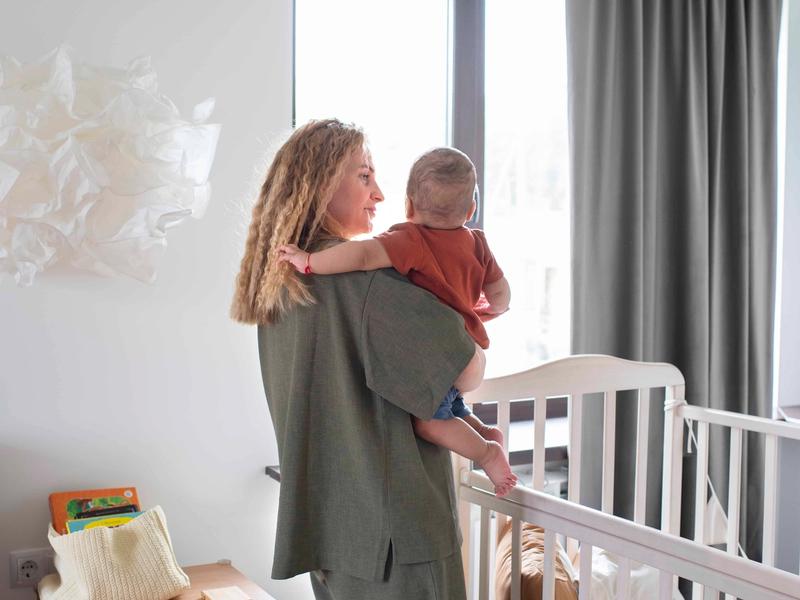
Transitioning from bassinet to crib: timing, safety, and strategy
Identify the critical physical and developmental milestones that signal it is time to upgrade your baby’s sleep environment to ensure their continued safety. Discover practical strategies to smooth this transition to minimize disruption and maintain a secure routine for your family.
December 22, 2025
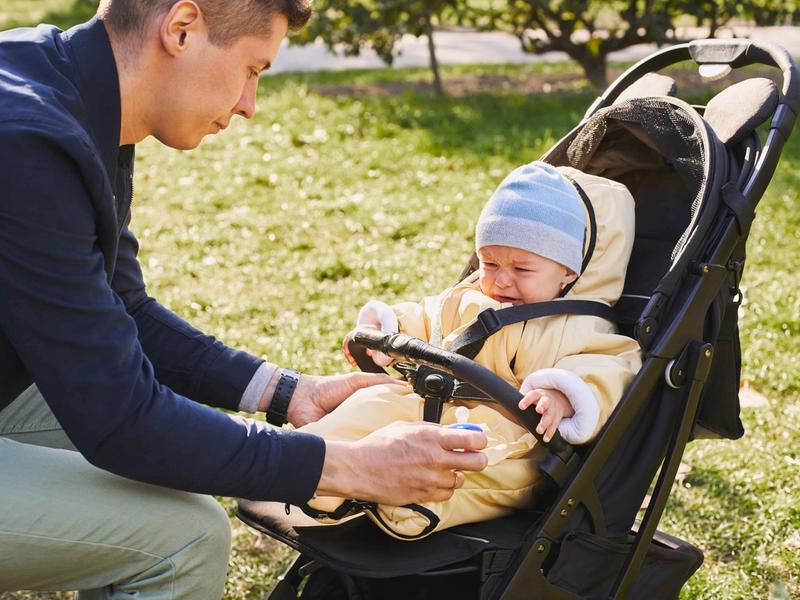
Heading Out: Determining Readiness for Your Baby’s First Walks
This guide is about determining the readiness and safety conditions for your baby’s first outdoor walks. Learn how to navigate weather challenges and crowd risks, and discover practical tips for dressing your baby and choosing the right gear for a successful outing.
December 19, 2025
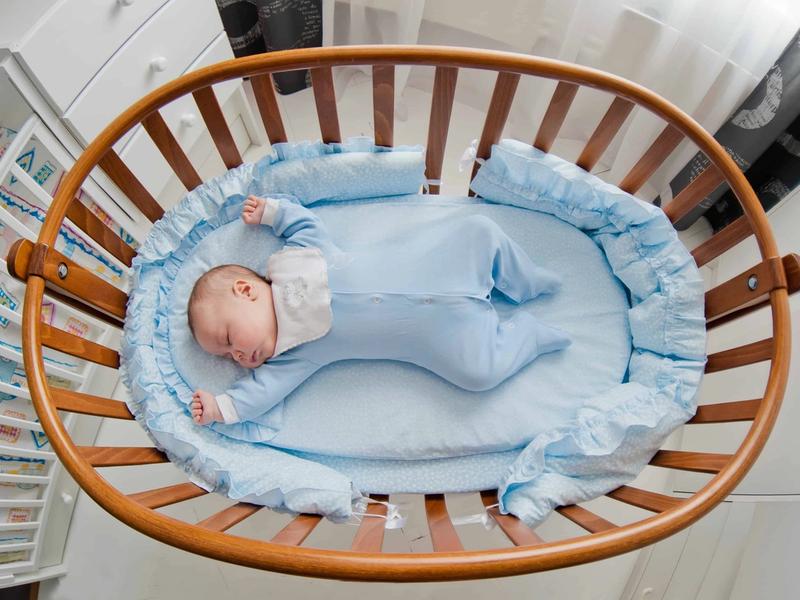
Creating a safe space: where and how to place your baby for sleep and rest
It is actually possible to establish a safe and practical sleep environment that balances safety standards with real-life logistics. Learn why room-sharing is recommended as the primary sleep space, and discover how to define and create safe sleep "stations" in any room of your house.
December 19, 2025
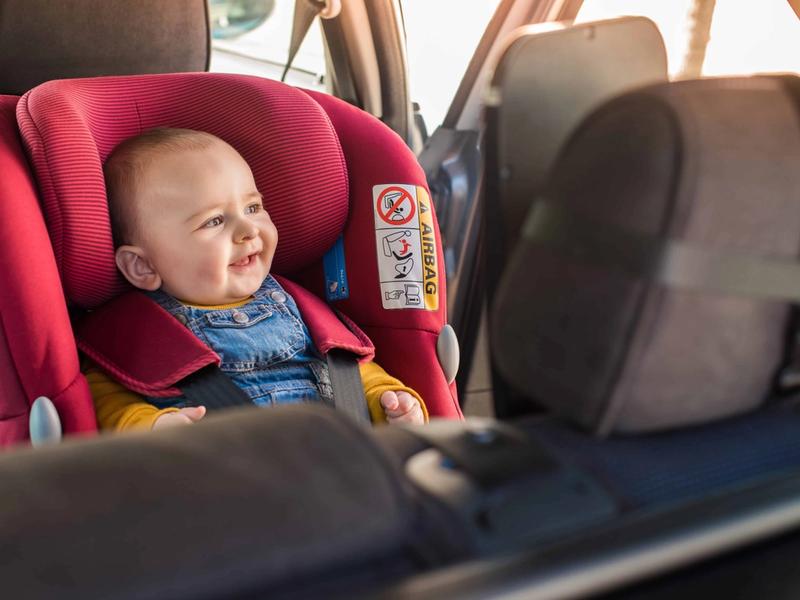
Car safety for your baby: a practical guide to seats, installation, and winter travel
Ensuring your baby's safety on the road is critical, and is mainly done through proper car seat usage and installation. Learn the rules for safe setup and positioning, and discover how to test your installation for stability, as well as other practical recommendations.