
January 2, 2026
The Evolution of Infant Bones: From Cartilage to Bone
The development of a baby’s skeletal system is a remarkable process of transformation. Infants are not born with "miniature" versions of adult bones; instead, their skeletons are primarily composed of flexible cartilage that gradually hardens into bone through a process called ossification. This flexibility is essential for childbirth and rapid growth, but it also means their skeletal structure requires specific protection during the first year of life.
At birth, a baby has approximately 300 "bones", nearly 100 more than an adult. These extra components are actually segments of cartilage that will eventually fuse together. A primary example is the skull, which consists of several plates held together by flexible joints called sutures. The gaps between these plates, known as fontanelles (soft spots), allow the head to compress during birth and expand as the brain grows rapidly.
The long bones in the arms and legs grow from specialized areas near the ends called growth plates. These areas are softer and more vulnerable to injury than the surrounding bone. As the baby grows, minerals like calcium and phosphorus are deposited into the cartilage framework, causing it to harden. This process continues throughout childhood, with major fusions occurring at predictable developmental stages.
Because an infant's bones are so pliable and the joints are shallow, they are particularly susceptible to molding and positional injuries. One common concern is the development of a flat spot on the back or side of the head, a condition known as plagiocephaly. This is often caused by the baby spending too much time lying in one position. To protect the skull's shape, it is important to provide frequent, supervised "tummy time" while the baby is awake and to limit the time spent in restrictive "containers" like car seats or swings when they are not being used for their primary purpose. By moving the baby into different positions throughout the day, you relieve the constant pressure on the soft cranial bones.
Hip health is another critical area where the "softness" of the skeleton requires specific safety measures. An infant's hip joints are quite shallow at birth, and improper positioning can lead to hip dysplasia, where the ball of the femur does not sit correctly in the socket. To avoid this, any swaddling should be "hip-healthy", meaning it allows the baby's legs to remain bent and flared out in a natural "frog" position. You should never force a baby’s legs straight or wrap them tightly together, as this puts undue stress on the developing hip joints. Similarly, when lifting or playing with a baby, you must avoid pulling them up by their hands or forearms. This can cause a common injury known as "Nursemaid’s Elbow", where a ligament slips out of place at the elbow joint because the bones and connective tissues are not yet strong enough to handle that specific type of traction.
Monitoring the natural progression of bone hardening is a standard part of pediatric care, but there are specific signs that indicate a need for professional medical evaluation. You should consult a healthcare provider if you notice any physical asymmetry, such as mismatched creases in the baby’s thighs or one leg appearing shorter than the other. Other indicators include a distinct "clunking" sound or sensation in the hips during diaper changes, or if the baby consistently tilts their head to one side and seems unable to turn it fully in the other direction. Furthermore, if a baby is not attempting to support their own weight on their legs as they approach their first birthday, or if their fontanelles seem to be bulging or remain unusually sunken, it is important to seek a professional assessment.
While it is natural to feel protective over a baby's delicate frame, it is important to remember that this flexibility is a biological advantage designed to accommodate growth. By practicing gentle handling, ensuring hip-healthy positioning, and providing varied physical environments, you support the natural ossification process. Your role is to provide the safe boundaries that allow these soft structures to eventually harden into a resilient and healthy adult skeleton.
A gentle reminder: The content in this article is for informational purposes only and is not intended to be a substitute for professional medical advice, diagnosis, or treatment. Always seek the advice of your pediatrician or another qualified health provider with any questions you may have regarding a medical condition. If you are facing a problem that feels sharp, persistent, or overwhelming, reaching out for professional help is a sign of strength.
Related Articles

December 31, 2025
Sensing the World: A Guide to Healthy Sensory Growth in the First Year
Facilitate healthy sensory growth by prioritizing natural, responsive interactions over high-tech stimulation. Learn strategies to prevent sensory overload and identify the developmental "red flags" that warrant professional attention.
December 24, 2025
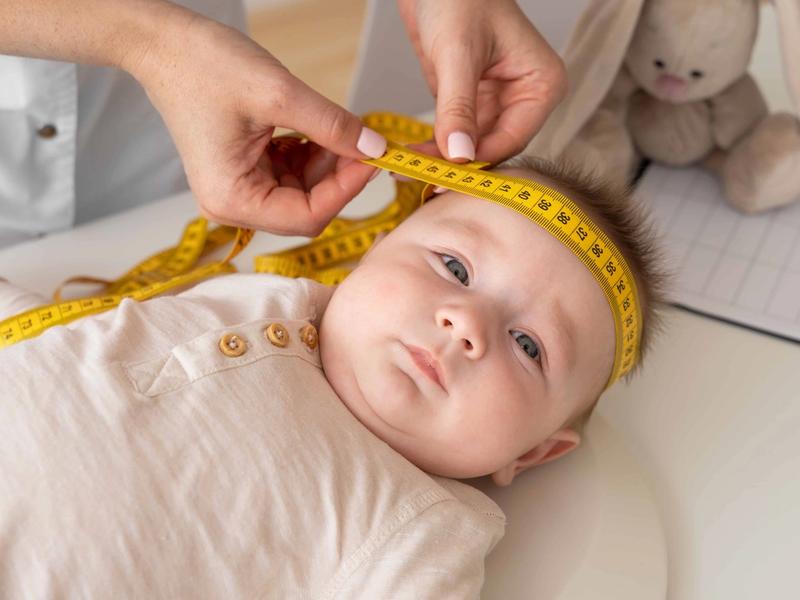
Measuring and weighing your baby: techniques for accuracy
Learn the technical skills required to accurately monitor your baby’s physical growth between doctor visits. Discover the instructions for obtaining precise weight and length measurements, including the necessary equipment and methods. At the same time, you should always rely on your pediatrician regarding any conclusions or actions regarding the baby's development.
December 17, 2025
Talking to your baby: why it matters and how to do it (even when you feel awkward)
Talking to a baby can feel awkward, but simple narration actively builds their brain by teaching the rhythm of language. Also, it allows to create a back-and-forth connection that lays the foundation for future communication. However, respecting their need for quiet breaks is just as important as the conversation itself.
December 14, 2025
Playing with your 9-12 month old: encouraging curiosity, cruising, and first words
The 9-12 month window marks an exciting shift as your baby becomes a true explorer. This guide helps you channel their intense curiosity into simple "problem-solving" games, cruising, and communication development.