December 14, 2025
Playing with your 9-12 month old: encouraging curiosity, cruising, and first words
This 9-12 month window is an exciting, and often exhausting phase as your baby becomes a true explorer. This guide is about simple ways to channel their new curiosity, support their pre-walking moves, and encourage those amazing first words.
It is common to feel like your baby is suddenly "into everything", and it can be a challenge to keep up. You might also feel a new pressure for them to start walking or talking. At this age, play is not about performance, but about your baby's intense desire to figure out how the world works, with you as their safe "home base".
You can support their budding curiosity with very simple "problem-solving" games. Give them a few safe household items, like a plastic container and some soft blocks, and let them practice putting the blocks in and dumping them out. This simple, repetitive game is a baby's form of physics, teaching them about "in", "out", and cause-and-effect.
This is also the age of "cruising", when many babies start to pull themselves up on furniture and take shuffling steps while holding on. You can encourage this by arranging sturdy, safe furniture to create a little pathway for them to practice. The goal is not to rush them into walking, but to give them a safe environment to build strength and confidence at their own pace.
Your baby's language skills are also exploding, even if they are not saying many clear words yet. The best way to "play" with language is to be a narrator. You can simply name objects as your baby points to them ("Yes, that is the dog!"), or talk about what you are doing ("I am putting on your blue sock"). When they babble or point, respond as if you are having a real conversation. This back-and-forth shows them the power of communication.
It is so important to remember that all babies move and talk on their own timelines. Some babies focus on walking early and talk later, while others are chatterboxes who are content to crawl. This is not a race, and your baby is not behind. If you have genuine concerns that your baby is not bearing any weight on their legs, or is not making any babbling sounds, your pediatrician is the best person to talk to.
This period is all about exploration, and your main role is to be a curious and supportive partner. By letting them safely explore, you are giving them the perfect foundation for all the learning to come.
A gentle reminder: The content in this article is for informational purposes only and is not intended to be a substitute for professional medical advice, diagnosis, or treatment. Always seek the advice of your pediatrician or another qualified health provider with any questions you may have regarding a medical condition. If you are facing a problem that feels sharp, persistent, or overwhelming, reaching out for professional help is a sign of strength.
Related Articles

January 2, 2026
The Evolution of Infant Bones: From Cartilage to Bone
Support the natural ossification of your baby’s skeletal system by understanding the protective measures required for their flexible, developing frame. Learn to prevent common positional issues and joint injuries through careful handling and varied movement, ensuring a strong foundation for future growth.
December 31, 2025
Sensing the World: A Guide to Healthy Sensory Growth in the First Year
Facilitate healthy sensory growth by prioritizing natural, responsive interactions over high-tech stimulation. Learn strategies to prevent sensory overload and identify the developmental "red flags" that warrant professional attention.
December 24, 2025
Measuring and weighing your baby: techniques for accuracy
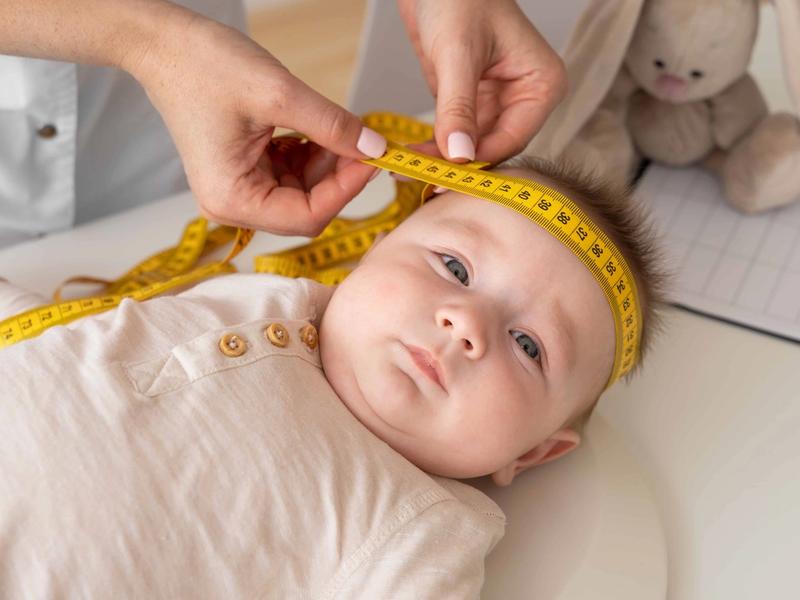
Learn the technical skills required to accurately monitor your baby’s physical growth between doctor visits. Discover the instructions for obtaining precise weight and length measurements, including the necessary equipment and methods. At the same time, you should always rely on your pediatrician regarding any conclusions or actions regarding the baby's development.
December 17, 2025
Talking to your baby: why it matters and how to do it (even when you feel awkward)
Talking to a baby can feel awkward, but simple narration actively builds their brain by teaching the rhythm of language. Also, it allows to create a back-and-forth connection that lays the foundation for future communication. However, respecting their need for quiet breaks is just as important as the conversation itself.