
December 17, 2025
Talking to your baby: why it matters and how to do it (even when you feel awkward)
It can feel strange, or even a little awkward, to have a one-sided conversation with a tiny baby who just blinks back at you. This guide is about why that "silly" talking matters so much, and how to do it in a way that feels natural for you.
Many parents feel this way, wondering if they are "doing it right" or if there is any point when their baby cannot understand. The truth is that every word you say, even just narrating your day, is actively building your baby's brain. They are not learning the words themselves yet, but they are learning the rhythm, sounds, and patterns of language. This lays the entire foundation for their future communication and helps them feel deeply connected to you.
The easiest way to start is to just be a narrator of your life, even if you feel you are talking to yourself. You can say, "I am folding the laundry now", or "Look at that bright light". There is no need for a special script. While many babies do respond well to a higher-pitched, sing-song voice, the most important thing is that they hear the sound and rhythm of your voice.
You can also just "sportscast" what your baby is doing. When they kick their legs, you can say, "Wow, you are kicking so hard!" When they coo or gurgle, you can make a sound right back at them. This back-and-forth, even when it is not with words, teaches them the fundamental "serve and return" of a conversation and makes them feel seen and heard.
It is important to know that you do not need to be talking every single second of the day and that would be exhausting for everyone. Quiet time and cuddles are just as important. Some babies may turn their head away or seem fussy if they get overstimulated, which is a normal sign that they just need a quiet break. This is not a performance. If you ever have genuine concerns about your baby's hearing, or if they are not making any cooing or babbling sounds as they get a bit older, it is always a good idea to mention it to your pediatrician.
Every time you talk to your baby, you are showing them love and literally building their mind. The best way to do it is simply to talk like yourself, about whatever is right in front of you.
A gentle reminder: The content in this article is for informational purposes only and is not intended to be a substitute for professional medical advice, diagnosis, or treatment. Always seek the advice of your pediatrician or another qualified health provider with any questions you may have regarding a medical condition. If you are facing a problem that feels sharp, persistent, or overwhelming, reaching out for professional help is a sign of strength.
Related Articles

January 2, 2026
The Evolution of Infant Bones: From Cartilage to Bone
Support the natural ossification of your baby’s skeletal system by understanding the protective measures required for their flexible, developing frame. Learn to prevent common positional issues and joint injuries through careful handling and varied movement, ensuring a strong foundation for future growth.

December 31, 2025
Sensing the World: A Guide to Healthy Sensory Growth in the First Year
Facilitate healthy sensory growth by prioritizing natural, responsive interactions over high-tech stimulation. Learn strategies to prevent sensory overload and identify the developmental "red flags" that warrant professional attention.
December 24, 2025
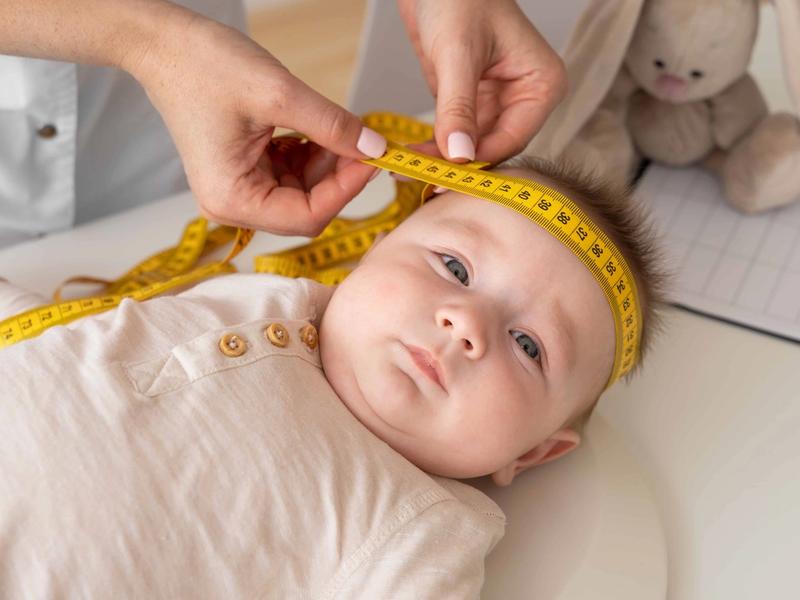
Measuring and weighing your baby: techniques for accuracy
Learn the technical skills required to accurately monitor your baby’s physical growth between doctor visits. Discover the instructions for obtaining precise weight and length measurements, including the necessary equipment and methods. At the same time, you should always rely on your pediatrician regarding any conclusions or actions regarding the baby's development.
December 14, 2025
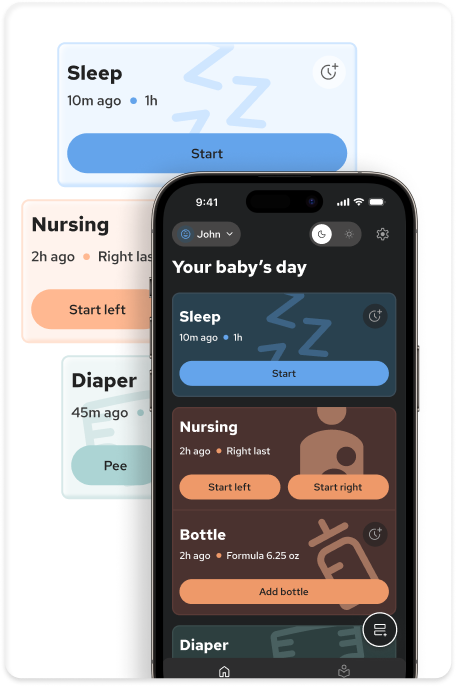
Playing with your 9-12 month old: encouraging curiosity, cruising, and first words
The 9-12 month window marks an exciting shift as your baby becomes a true explorer. This guide helps you channel their intense curiosity into simple "problem-solving" games, cruising, and communication development.