December 13, 2025
Playing with your 6-9 month old: simple games for sitting, crawling, and babbling
This 6-9 month window is often a major shift, as your baby starts to sit up, move around, and find their voice. This guide is about simple ways to play that support these huge new skills without needing a room full of toys.
It can be exciting to see your baby on the move, but it also brings new anxieties about whether they are "on track" or if you are doing enough to help them. Play at this age is not about drills or flashcards. It is about creating a safe, interesting space for them to practice their new abilities, with you as their responsive cheerleader.
You can support their new sitting skills by simply sitting on the floor with them. Try rolling a soft ball back and forth, which encourages them to use their core muscles to balance and reach. Placing a few engaging, safe-to-mouth toys in a small circle around them also motivates them to twist and turn, building stability.
To encourage movement, you can try placing a favourite toy just out of reach on the floor. This gives them a "goal" to work toward, whether they are doing a classic crawl, an army-style crawl, or a bottom-scoot. The goal is just movement. You can also create a small, simple "obstacle course" with pillows for them to navigate over or around, which builds their problem-solving skills and confidence.
At this age, your baby's babbling is becoming more complex, and they are learning the back-and-forth of conversation. The best game is simply to "talk" back. When they say "ba-ba-ba," you can say "ba-ba-ba" right back, and then pause, giving them a turn to respond. You can also play simple games like peek-a-boo or sing songs with hand motions, like "Pat-a-Cake", which connect sounds with actions.
Remember that all babies explore these skills at their own pace. Some babies skip crawling altogether and go straight to pulling up and "cruising". The important thing is that they are learning to coordinate their body and interact with you. Play should be fun, not a chore. If your baby gets frustrated or tired, it is time for a break. As always, if you have real concerns about your baby's development, movement, or hearing, your pediatrician is the best person to ask.
Your role in play is to be a safe, loving audience as your baby becomes an active explorer. By rolling a ball, placing a toy just out of reach, and babbling back, you are giving them the perfect support to grow.
A gentle reminder: The content in this article is for informational purposes only and is not intended to be a substitute for professional medical advice, diagnosis, or treatment. Always seek the advice of your pediatrician or another qualified health provider with any questions you may have regarding a medical condition. If you are facing a problem that feels sharp, persistent, or overwhelming, reaching out for professional help is a sign of strength.
Related Articles

January 2, 2026
The Evolution of Infant Bones: From Cartilage to Bone
Support the natural ossification of your baby’s skeletal system by understanding the protective measures required for their flexible, developing frame. Learn to prevent common positional issues and joint injuries through careful handling and varied movement, ensuring a strong foundation for future growth.

December 31, 2025
Sensing the World: A Guide to Healthy Sensory Growth in the First Year
Facilitate healthy sensory growth by prioritizing natural, responsive interactions over high-tech stimulation. Learn strategies to prevent sensory overload and identify the developmental "red flags" that warrant professional attention.
December 24, 2025
Measuring and weighing your baby: techniques for accuracy
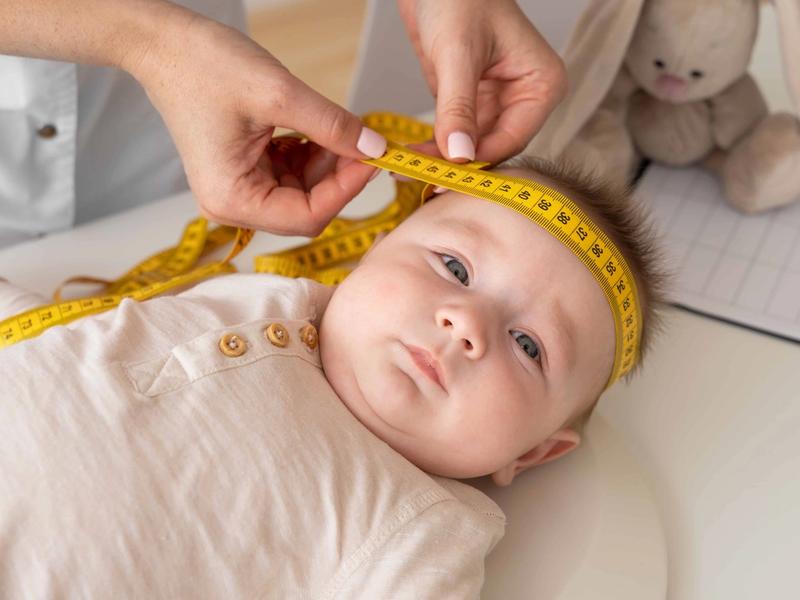
Learn the technical skills required to accurately monitor your baby’s physical growth between doctor visits. Discover the instructions for obtaining precise weight and length measurements, including the necessary equipment and methods. At the same time, you should always rely on your pediatrician regarding any conclusions or actions regarding the baby's development.

December 17, 2025
Talking to your baby: why it matters and how to do it (even when you feel awkward)
Talking to a baby can feel awkward, but simple narration actively builds their brain by teaching the rhythm of language. Also, it allows to create a back-and-forth connection that lays the foundation for future communication. However, respecting their need for quiet breaks is just as important as the conversation itself.