December 19, 2025
Choosing and Managing Toys: A Foundation for Safe Play
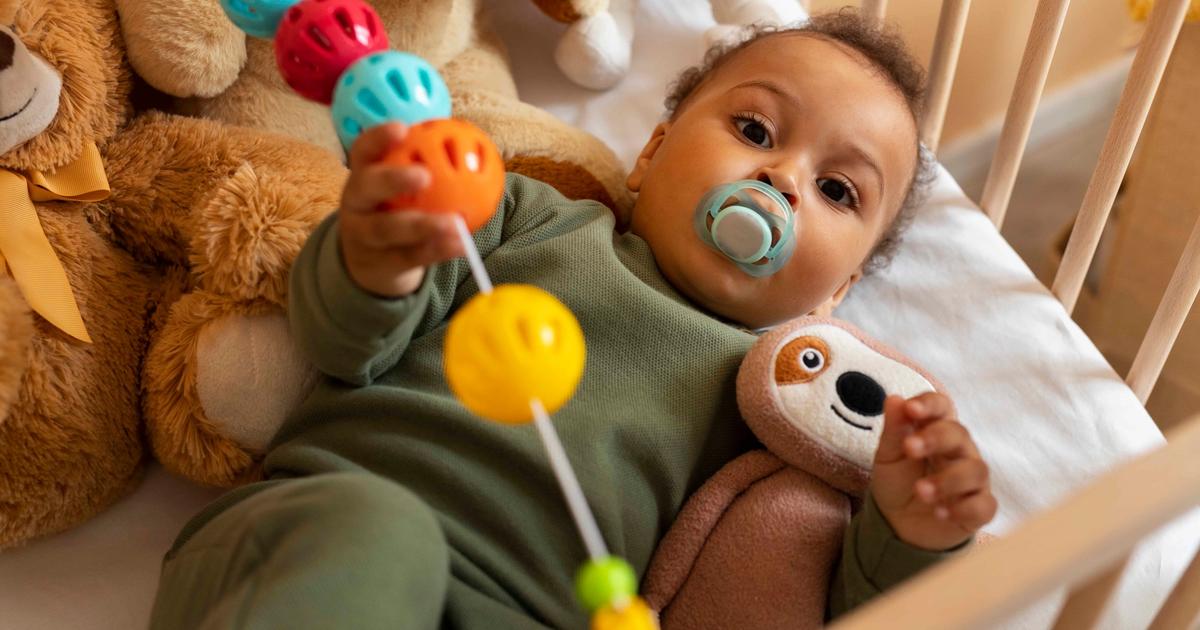
Toys are more than just entertainment for an infant, but also primary tools through which they explore the physical laws of the world. However, because babies interact with their environment primarily through their mouths and have limited motor control, a toy that is safe for an older child can be a significant hazard for a newborn. Ensuring toy safety involves a combination of careful selection at the point of purchase and vigilant maintenance once the toy enters your home.
In the first few weeks of life, a baby does not actually require toys for development. Their primary "toy" is the human face and voice. During this stage, their vision is still developing, and they cannot yet grasp objects intentionally. If you choose to introduce items in the first two months, they should be purely sensory and hands-off, such as high-contrast (black and white) cards or mobile elements placed well out of reach.
By the three-month mark, as babies begin to discover their hands and develop the "palmar grasp", they become ready for their first interactive toys. At this stage, the best choices are lightweight, easy-to-hold items like soft rattles, or silicone teething rings. The goal is to provide objects that encourage reaching and grasping without being heavy enough to cause injury if the baby accidentally drops the item on their own face.
When choosing a toy, the most critical safety check is the "small parts test". Anything small enough to fit inside a standard toilet paper roll is a potential choking hazard for a child under three years old. When shopping, look for toys specifically labelled for the "0+" or "0-6 months" age range. These labels are not just developmental suggestions, but legal indicators that the toy has passed specific torque and tension tests, ensuring that small eyes, buttons, or squeakers won't easily snap off during play.
Material safety is equally vital. Ensure that any plastic toys are labelled as BPA-free and phthalate-free, and that wooden toys are finished with non-toxic, lead-free paints or food-grade oils. You should also avoid toys with long strings, ribbons, or cords over seven inches in length, as these pose a strangulation risk. Furthermore, be wary of "button batteries" or high-powered magnets. If a toy requires batteries, the compartment must be secured with a screw that a child cannot open.
Safety does not end at the checkout counter but also requires ongoing management within the home. It is important to perform a "stress test" on your baby’s toys at least once a week. Check for loose seams on plush toys, cracked plastic on rattles, or chipping paint on wooden blocks. If a toy is damaged, it should be repaired immediately or discarded. Additionally, you should be mindful of "toy migration", where toys belonging to older siblings or pets end up in the baby’s play area. Small Lego bricks, doll accessories, or marbles are common hazards that require constant parental vigilance.
Hygiene is the final pillar of home toy safety. Because babies mouth their toys constantly, they can become a breeding ground for bacteria and viruses. Hard toys should be cleaned regularly with mild soap and water or a baby-safe disinfectant, while plush toys should be laundered in a mesh bag on a gentle cycle. However, ensure that toys are completely dry before returning them to the baby, as trapped moisture inside bath toys or hollow plastic items can lead to the growth of internal mold, which can be harmful if inhaled or ingested.
While you are the first line of defence, you should also utilize professional resources to stay informed. Many government agencies provide searchable databases for toy recalls. Checking these periodically ensures that a toy previously thought to be safe hasn't been flagged for new defects. If you are unsure if a toy is developmentally appropriate or safe for your baby's specific motor skills, your pediatrician can offer guidance during well-baby visits. Relying on professional safety standards rather than aesthetic appeal ensures that your baby's playtime remains both enriching and secure.
Related Articles
January 2, 2026
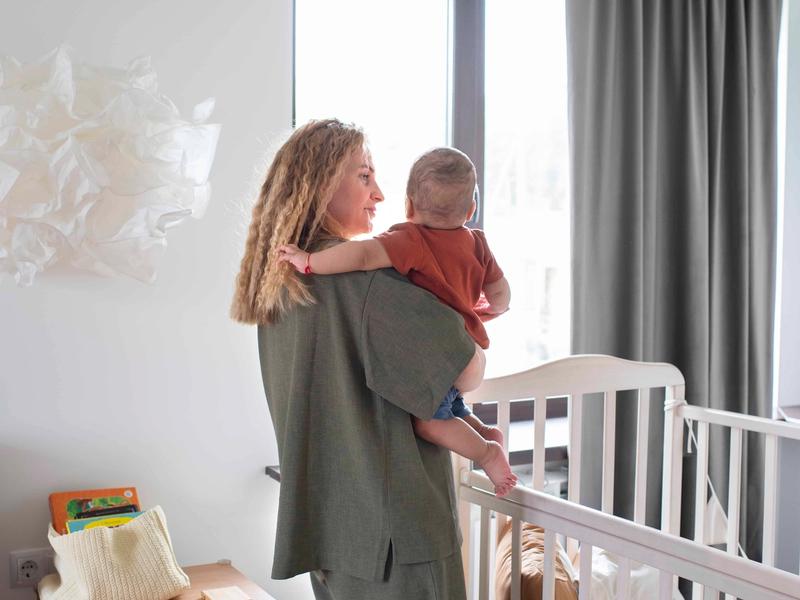
Transitioning from bassinet to crib: timing, safety, and strategy
Identify the critical physical and developmental milestones that signal it is time to upgrade your baby’s sleep environment to ensure their continued safety. Discover practical strategies to smooth this transition to minimize disruption and maintain a secure routine for your family.
December 22, 2025
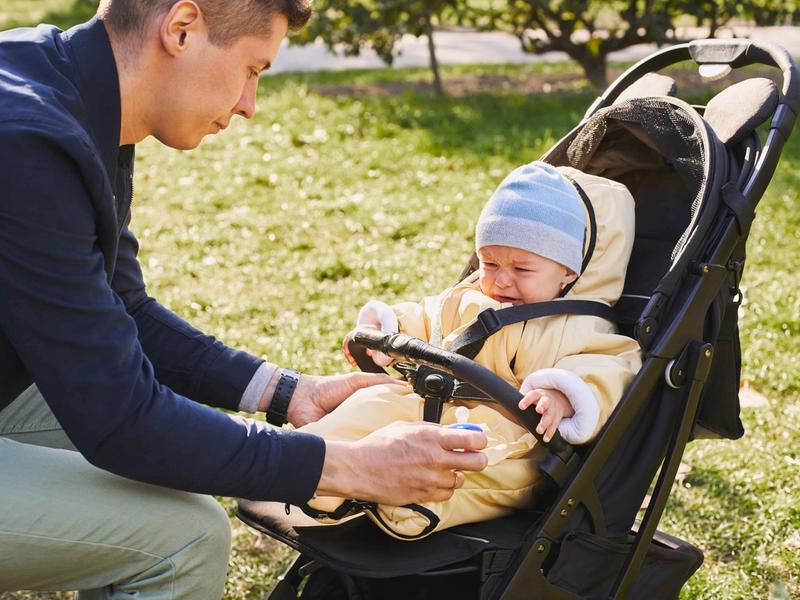
Heading Out: Determining Readiness for Your Baby’s First Walks
This guide is about determining the readiness and safety conditions for your baby’s first outdoor walks. Learn how to navigate weather challenges and crowd risks, and discover practical tips for dressing your baby and choosing the right gear for a successful outing.
December 19, 2025
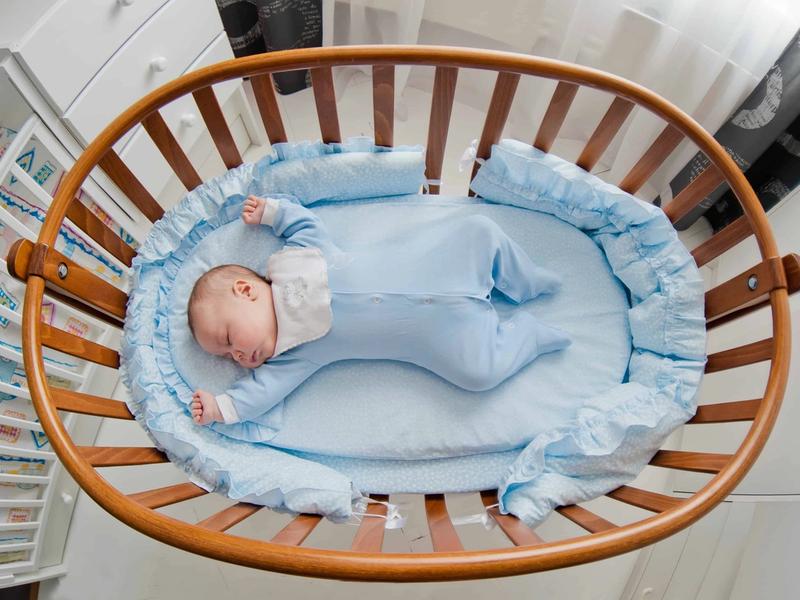
Creating a safe space: where and how to place your baby for sleep and rest
It is actually possible to establish a safe and practical sleep environment that balances safety standards with real-life logistics. Learn why room-sharing is recommended as the primary sleep space, and discover how to define and create safe sleep "stations" in any room of your house.
December 19, 2025
Car safety for your baby: a practical guide to seats, installation, and winter travel
Ensuring your baby's safety on the road is critical, and is mainly done through proper car seat usage and installation. Learn the rules for safe setup and positioning, and discover how to test your installation for stability, as well as other practical recommendations.