December 11, 2025
Bringing baby home: a practical guide to setup, safety, and a healthy environment
Bringing your new baby home is a moment you wait for, but it can also be overwhelming to wonder if your home is truly "ready" for them. This guide is about a few simple, practical ways to set up your space to be safe, healthy, and comfortable, without needing to do everything at once.
It is easy to get lost in endless product lists or feel you need a perfectly silent, sterile nursery. Many parents worry about everything from the temperature of the room to dust, allergens, or how their pets will react. The goal is not perfection, but creating a "good enough", safe environment so you can focus on your baby and your own recovery.
You can start by thinking about your home in "zones" for the first few weeks, as your baby will likely be in your room. You do not need a finished nursery, just a safe place for the baby to sleep, like a bassinet or crib that meets current safety standards, with a firm mattress and no loose blankets or soft toys. It also helps to set up a small "diaper station" with wipes, diapers, and cream, and a comfortable "feeding spot" for yourself with water, snacks, and pillows.
For the general environment, you can focus on the basics. A newborn's lungs are sensitive, so a good starting point is to try and keep the air clean by reducing strong artificial fragrances, like those from candles or air fresheners, and managing dust where you can. If you have pets, you can plan for a slow, supervised introduction, focusing on teaching the pet to be calm around the baby.
You do not need to obsess over exact numbers. You can aim for a room temperature that feels comfortable for a lightly clothed adult. A simple humidifier can help if the air feels very dry, but it is not a requirement. If you have specific concerns about airborne allergens, pet safety, or your baby's breathing, the best person to talk to is your pediatrician, or a veterinarian for pet-specific advice.
Setting up your home is not about a perfect room, but about creating small, functional zones for sleeping, feeding, and changing. By focusing on a calm, safe, and reasonably clean environment, you are doing enough.
A gentle reminder: The content in this article is for informational purposes only and is not intended to be a substitute for professional medical advice, diagnosis, or treatment. Always seek the advice of your pediatrician or another qualified health provider with any questions you may have regarding a medical condition. If you are facing a problem that feels sharp, persistent, or overwhelming, reaching out for professional help is a sign of strength.
Related Articles
January 2, 2026
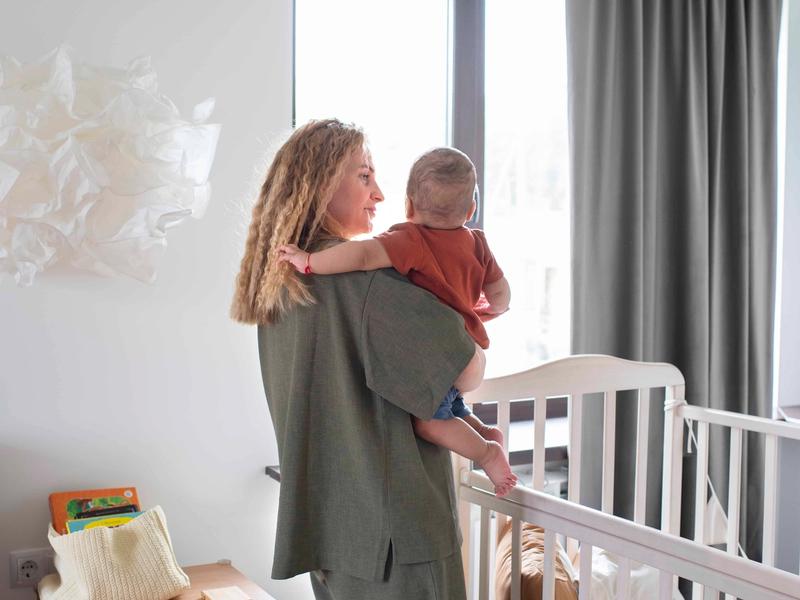
Transitioning from bassinet to crib: timing, safety, and strategy
Identify the critical physical and developmental milestones that signal it is time to upgrade your baby’s sleep environment to ensure their continued safety. Discover practical strategies to smooth this transition to minimize disruption and maintain a secure routine for your family.
December 22, 2025
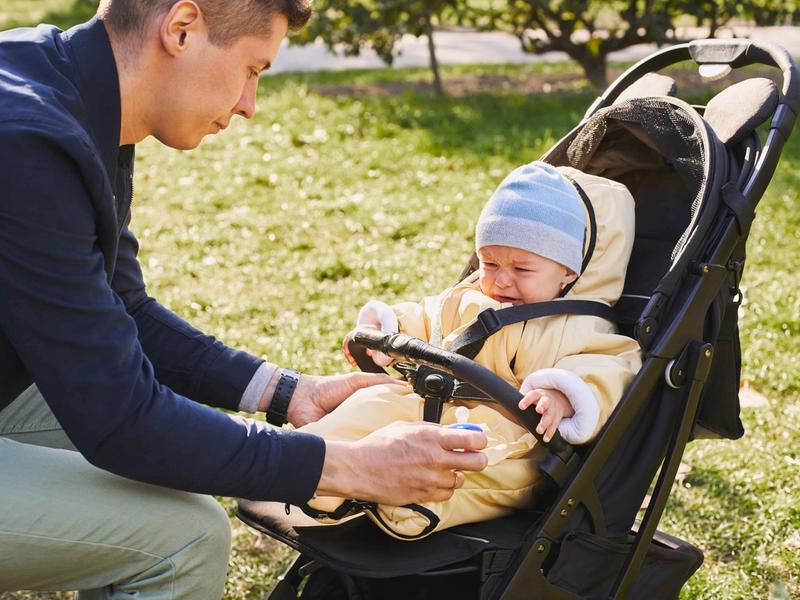
Heading Out: Determining Readiness for Your Baby’s First Walks
This guide is about determining the readiness and safety conditions for your baby’s first outdoor walks. Learn how to navigate weather challenges and crowd risks, and discover practical tips for dressing your baby and choosing the right gear for a successful outing.
December 19, 2025
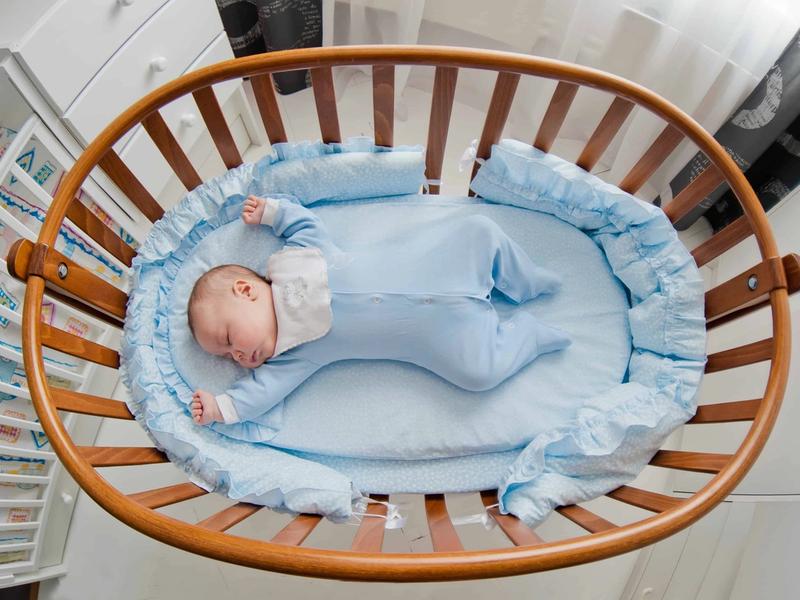
Creating a safe space: where and how to place your baby for sleep and rest
It is actually possible to establish a safe and practical sleep environment that balances safety standards with real-life logistics. Learn why room-sharing is recommended as the primary sleep space, and discover how to define and create safe sleep "stations" in any room of your house.

December 19, 2025
Car safety for your baby: a practical guide to seats, installation, and winter travel
Ensuring your baby's safety on the road is critical, and is mainly done through proper car seat usage and installation. Learn the rules for safe setup and positioning, and discover how to test your installation for stability, as well as other practical recommendations.