December 19, 2025
A practical guide to home safety and childproofing for crawling babies
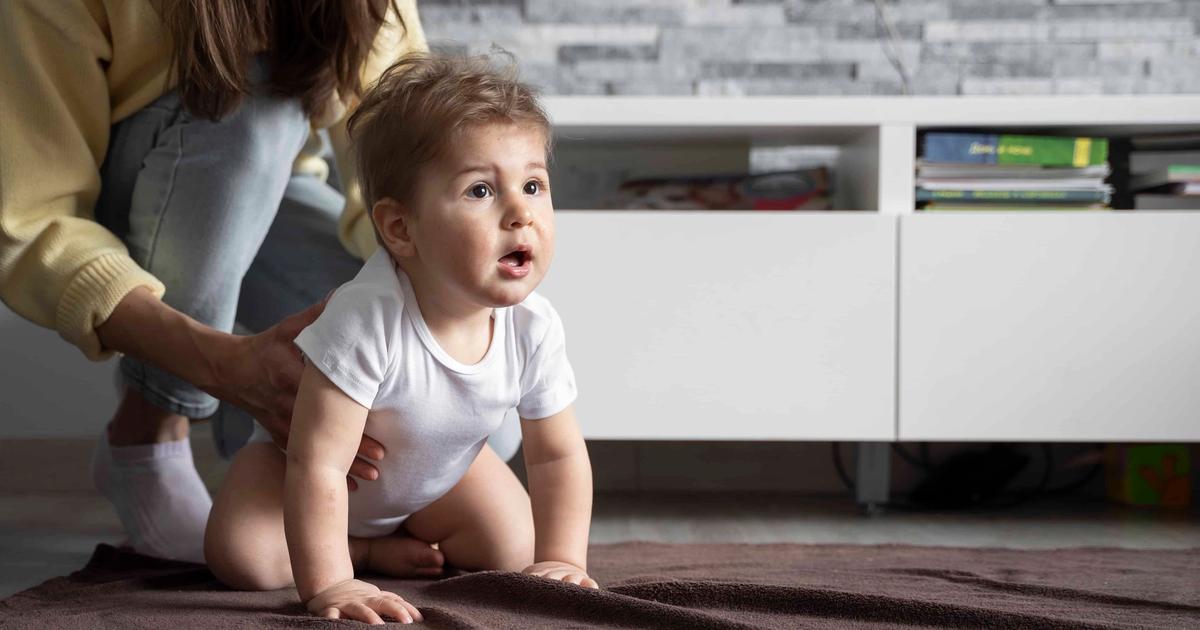
As your baby transitions from sitting to crawling and eventually walking, their world expands rapidly. This newfound mobility is an exciting milestone, but it also reveals a hidden landscape of hazards within your home. Childproofing is not about creating a "bubble", but about systematically identifying and mitigating risks to allow your child to explore safely.
When a baby starts moving, they view your home from a completely different perspective. Objects that were once out of reach like the undersides of tables, electrical outlets, or heavy floor lamps, suddenly become accessible. The goal of childproofing is to create a "yes" space where your baby can practice their motor skills without constant intervention, while securing the areas that pose a genuine threat.
The most effective way to identify hazards is to physically get down on your hands and knees and crawl through your living space. From this vantage point, you will notice things that are invisible from a standing position, such as loose wires tucked behind a sofa, small objects under the coffee table that could be choking hazards, or sharp corners on furniture. Pay close attention to anything that looks like a handle or a lever, as these are naturally enticing to a child learning to pull themselves up.
The two most critical areas to address are tip-over hazards and electrical safety. As babies learn to stand, they will use furniture for balance. Heavy items like bookcases, dressers, and televisions must be anchored to the wall with anti-tip straps. Even seemingly stable furniture can fall if a child opens multiple drawers to use as a ladder. Simultaneously, all unused electrical outlets should be covered with safety plugs or, ideally, replaced with sliding outlet covers that automatically close when a plug is removed.
Stairs and doorways represent the most significant risk for falls. Pressure-mounted or hardware-mounted safety gates should be installed at both the top and bottom of all staircases. For the top of the stairs, hardware-mounted gates are essential because they are bolted into the wall and cannot be pushed over by a leaning child. Additionally, if you have low windows, ensure they are equipped with window guards or stops that prevent them from opening more than a few inches.
Kitchen and bathroom contain the highest density of risks, from cleaning chemicals to hot surfaces. Use cabinet and drawer locks to secure any area containing cleaning supplies, medications, or sharp objects. In the kitchen, turn pot handles toward the back of the stove and consider knob covers for the oven. In the bathroom, a toilet lock can prevent both drowning risks and hygiene issues, and a non-slip mat in the tub is essential as your baby begins to stand during bath time.
Anything small enough to fit inside a cardboard toilet paper roll is a potential choking hazard. As your baby becomes more mobile, you must be vigilant about "unseen" small items like coins, button batteries, or small toy parts that may have migrated under furniture. Button batteries, in particular, are extremely dangerous if swallowed and should be kept in a locked drawer or high out of reach.
Childproofing is an ongoing process that evolves as your child grows taller and more dexterous. While these physical barriers provide a layer of protection, they are not a substitute for active supervision. By securing the most dangerous elements of your home, you can focus more on encouraging your child’s curiosity and less on managing immediate risks.
Related Articles
January 2, 2026
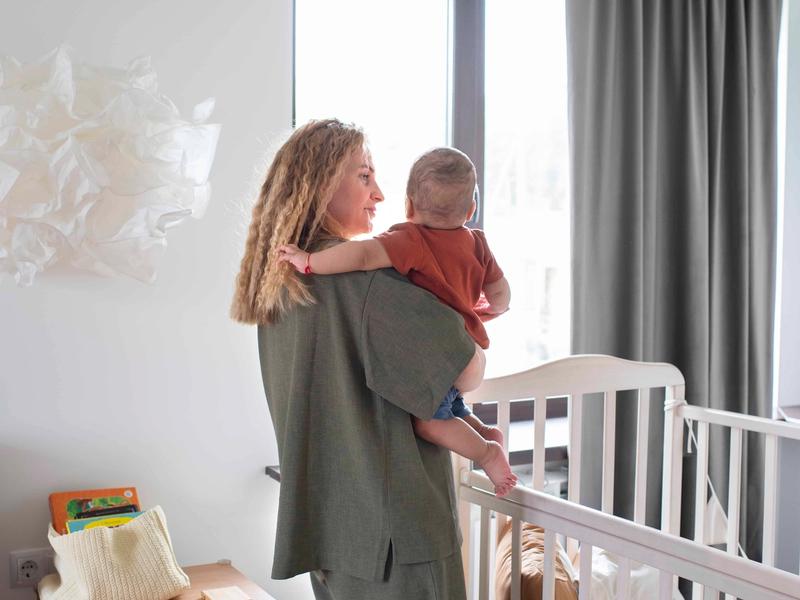
Transitioning from bassinet to crib: timing, safety, and strategy
Identify the critical physical and developmental milestones that signal it is time to upgrade your baby’s sleep environment to ensure their continued safety. Discover practical strategies to smooth this transition to minimize disruption and maintain a secure routine for your family.
December 22, 2025
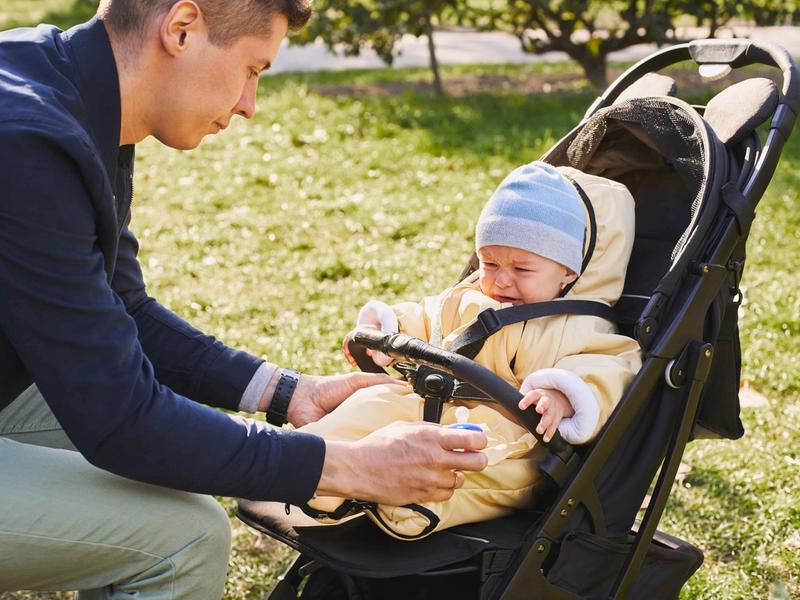
Heading Out: Determining Readiness for Your Baby’s First Walks
This guide is about determining the readiness and safety conditions for your baby’s first outdoor walks. Learn how to navigate weather challenges and crowd risks, and discover practical tips for dressing your baby and choosing the right gear for a successful outing.
December 19, 2025
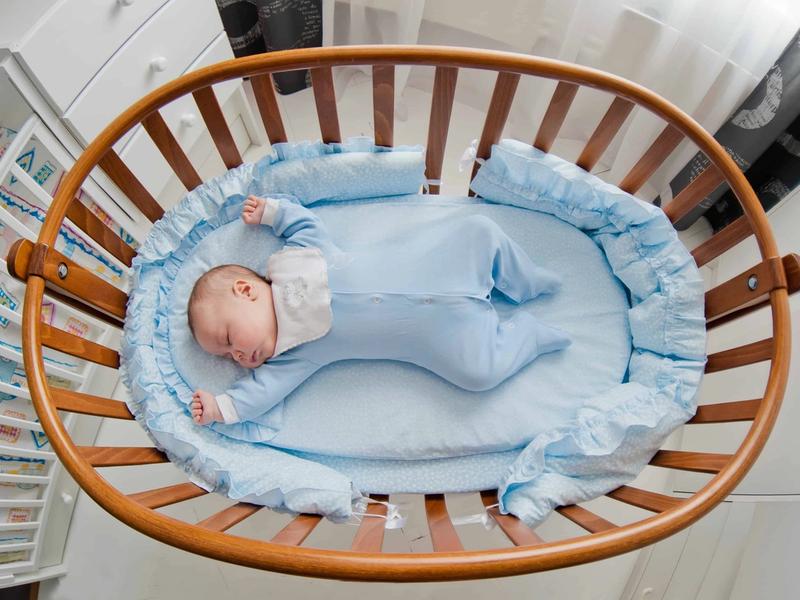
Creating a safe space: where and how to place your baby for sleep and rest
It is actually possible to establish a safe and practical sleep environment that balances safety standards with real-life logistics. Learn why room-sharing is recommended as the primary sleep space, and discover how to define and create safe sleep "stations" in any room of your house.

December 19, 2025
Car safety for your baby: a practical guide to seats, installation, and winter travel
Ensuring your baby's safety on the road is critical, and is mainly done through proper car seat usage and installation. Learn the rules for safe setup and positioning, and discover how to test your installation for stability, as well as other practical recommendations.