December 17, 2025
The postpartum hormone shift: navigating mood, hair loss, and your changing body
In the weeks after birth, it can feel like you are on an intense emotional and physical rollercoaster, and it is common to feel like you do not recognize your own body. This guide is about the massive hormonal shift that causes these changes, and how to navigate them with patience.
It is deeply unsettling to feel weepy, anxious, or "not yourself" while also experiencing physical changes like hair loss. This is not a personal failing, but a profound biological event. After you give birth, the high levels of pregnancy hormones, like estrogen and progesterone, drop dramatically, which can affect everything from your mood to your skin and hair.
For many parents, this crash leads to the "baby blues" in the first couple of weeks. You might find yourself crying for no reason, feeling irritable, or just completely overwhelmed. This is an incredibly common and normal response to the hormone shift, combined with exhaustion and the stress of a new baby.
The physical changes are also driven by these same hormones. Many people are surprised to find their hair suddenly shedding in large amounts, often around three to six months postpartum. This is a delayed reaction. During pregnancy, hormones often "freeze" your hair in the growing phase, so what you are seeing is simply all the hair you would have normally shed over the last year, now falling out at once. It is almost always temporary.
It is critical to be gentle with yourself, but it is also important to know when to ask for help. If your low mood, anxiety, or feelings of overwhelm feel very dark, last for more than a couple of weeks, or make it hard to get through the day, you must talk to your doctor or a mental health professional. This is not something to "tough out", as it could be a sign of postpartum depression or anxiety, which are treatable medical conditions.
This hormonal shift is a powerful physical process that affects both your mind and body. The most important things you can do are to be patient with yourself, rest when you can, and reach out to your healthcare provider for all concerns.
A gentle reminder: The content in this article is for informational purposes only and is not intended to be a substitute for professional medical advice, diagnosis, or treatment. Always seek the advice of your pediatrician or another qualified health provider with any questions you may have regarding a medical condition. If you are facing a problem that feels sharp, persistent, or overwhelming, reaching out for professional help is a sign of strength.
Related Articles
December 29, 2025
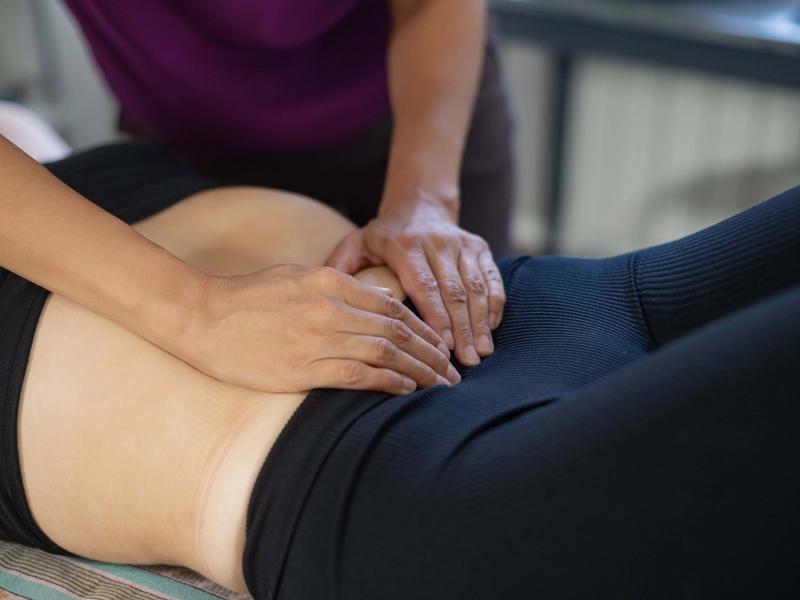
Pelvic floor recovery: moving beyond myths to functional strength
Prioritize the functional restoration of your core muscles by looking past common misconceptions. Master specific breathing techniques and coordination strategies to protect your body during daily parenting tasks, and understand when to consult a specialist for a personalized recovery plan.
December 18, 2025
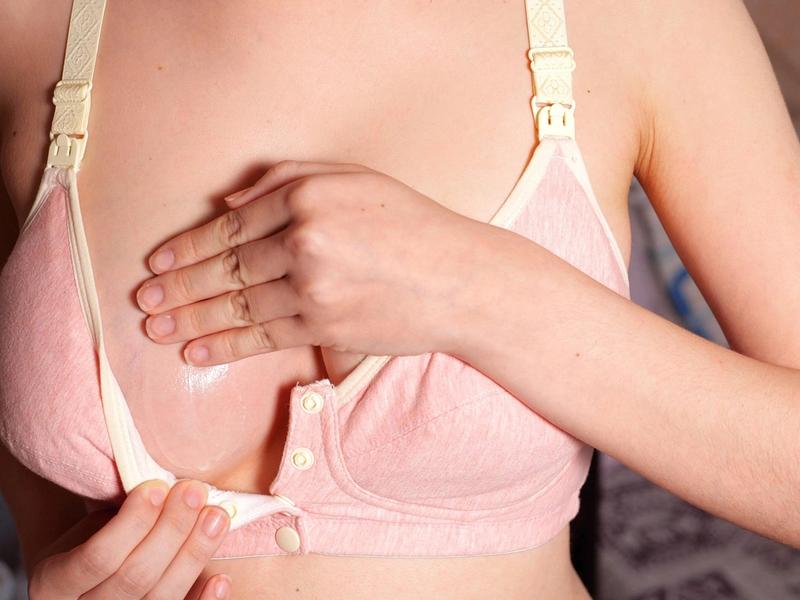
Breast care for the breastfeeding parent: comfort, hygiene, and problem-solving
While feeding is prioritised to comfort, it is essential to maintain breast health through proactive hygiene and preventive measures. Learn simple habits to defend against soreness, and discover how to recognize the difference between normal sensitivity and infections like mastitis, as well as when it is advised to seek professional help.
December 17, 2025
Your postpartum recovery: a realistic guide to the first six weeks
Postpartum recovery is a non-linear process starting with intense bleeding and hormonal shifts in the first week, gradually easing into a phase where energy returns but the risk of "overdoing it" remains high. Monitor your healing closely and call your doctor immediately for any health or emotional concerns.
December 17, 2025
The five-minute meal practical ways to stay fed and hydrated with a newborn
To survive the exhaustion of the first few weeks, focus on assembling fuel rather than cooking by creating. Redefine what constitutes a meal with ready-to-eat items, while accepting that nutritious snacking is a valid way to stay fed.