December 17, 2025
The five-minute meal practical ways to stay fed and hydrated with a newborn
It can feel like a complicated task to "eat well" when you are so exhausted you can barely make it to the kitchen, often with a baby in your arms. This guide is about practical, realistic ways to get food and water into your body when you have no time or free hands.
The first few weeks are often about pure survival, and it is incredibly common for new parents to realize they have not eaten a real meal all day. You are so focused on the baby's needs that your own hunger gets pushed to the bottom of the list, which only makes the exhaustion feel worse. The goal right now is not to cook, but to simply assemble fuel.
The most effective strategy is to create "feeding stations" for yourself. Think about where you spend the most time feeding or holding the baby, and set up a basket with one-handed, non-perishable snacks like granola bars, almonds, or dried fruit. Next to it, place a large water bottle, ideally one with a straw, so you can drink easily while holding your baby. This removes the barrier of having to get up and find something.
You can also create a dedicated "grab-and-go" shelf in your fridge. This is not for ingredients, but for food that is ready to be eaten immediately. Stock it with things like yogurt cups, cheese sticks, hard-boiled eggs, pre-cut fruit, or a small container of hummus. When you have a two-minute window, you can just open the door, grab one, and be done.
It is also helpful to completely redefine what a "meal" is. For a while, "meals" might just be a series of these nutritious snacks eaten throughout the day. A hard-boiled egg and a handful of nuts is a fantastic, complete "five-minute meal" that will give you far more energy than skipping a meal entirely. This is also the time to accept any and all offers of food from friends and family.
Remember, this is a temporary phase of survival. If you are consistently feeling dizzy, extremely weak, or have no appetite at all for several days, that is an important sign to call your doctor.
Staying fed is not a luxury, but a non-negotiable part of your recovery. By setting up simple snack stations and redefining what a "meal" looks like, you are taking a critical step in caring for yourself.
A gentle reminder: The content in this article is for informational purposes only and is not intended to be a substitute for professional medical advice, diagnosis, or treatment. Always seek the advice of your pediatrician or another qualified health provider with any questions you may have regarding a medical condition. If you are facing a problem that feels sharp, persistent, or overwhelming, reaching out for professional help is a sign of strength.
Related Articles
December 29, 2025
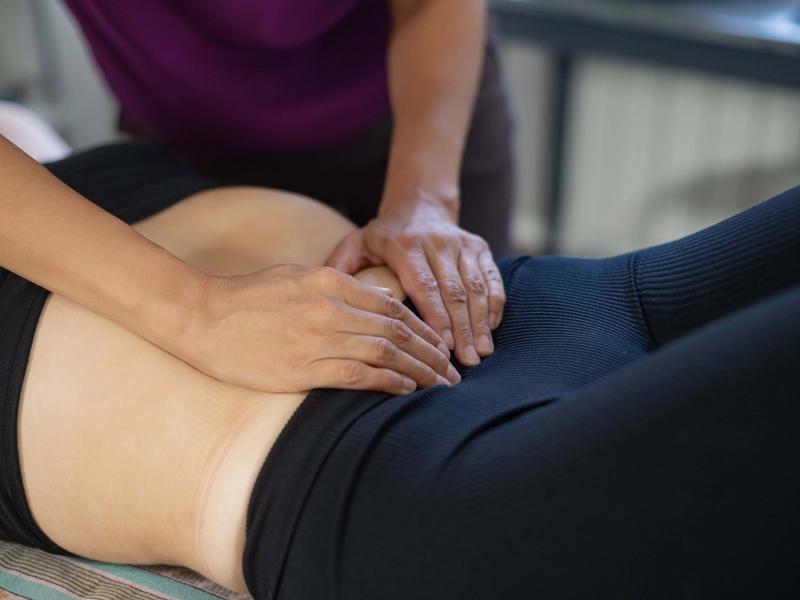
Pelvic floor recovery: moving beyond myths to functional strength
Prioritize the functional restoration of your core muscles by looking past common misconceptions. Master specific breathing techniques and coordination strategies to protect your body during daily parenting tasks, and understand when to consult a specialist for a personalized recovery plan.

December 18, 2025
Breast care for the breastfeeding parent: comfort, hygiene, and problem-solving
While feeding is prioritised to comfort, it is essential to maintain breast health through proactive hygiene and preventive measures. Learn simple habits to defend against soreness, and discover how to recognize the difference between normal sensitivity and infections like mastitis, as well as when it is advised to seek professional help.
December 17, 2025
Your postpartum recovery: a realistic guide to the first six weeks
Postpartum recovery is a non-linear process starting with intense bleeding and hormonal shifts in the first week, gradually easing into a phase where energy returns but the risk of "overdoing it" remains high. Monitor your healing closely and call your doctor immediately for any health or emotional concerns.
December 17, 2025
The postpartum hormone shift: navigating mood, hair loss, and your changing body
The dramatic drop in pregnancy hormones triggers intense changes, from the common "baby blues" to significant hair loss that typically occurs three to six months postpartum. Learn to note and accept the changes in your mood and body, but also reasons to turn for healthcare professional help.