December 18, 2025
Breast care for the breastfeeding parent: comfort, hygiene, and problem-solving
Maintaining breast health is a vital part of the breastfeeding journey, yet it is a topic often overshadowed by the focus on the baby’s needs. Your breasts undergo significant physiological changes to produce and deliver milk, and navigating this process requires a balance of proactive hygiene, comfort measures, and the ability to recognize when a common issue requires medical attention.
The foundation of good breast care is simplicity and the preservation of the skin’s natural barrier. Your breasts do not require specialized soaps or harsh cleaning. in fact, the small bumps on your areola, known as Montgomery glands, produce natural oils that lubricate and protect the nipple. During your daily shower, plain water is usually sufficient for cleaning the breast area. Avoiding scented lotions, perfumes, or alcohol-based products on the nipples can prevent unnecessary dryness and cracking, which are often the entry points for infection.
Proper positioning and a deep latch are the most effective ways to prevent nipple soreness. While some initial tenderness is common in the first few days as you and your baby adjust, breastfeeding should not be persistently painful. If you experience nipple damage, such as bleeding or cracks, applying a few drops of expressed breast milk to the area or using a purified lanolin cream can help with healing. It is also helpful to allow your nipples to air-dry for a few minutes after each feeding before putting your bra back on, as trapped moisture can lead to skin breakdown or thrush.
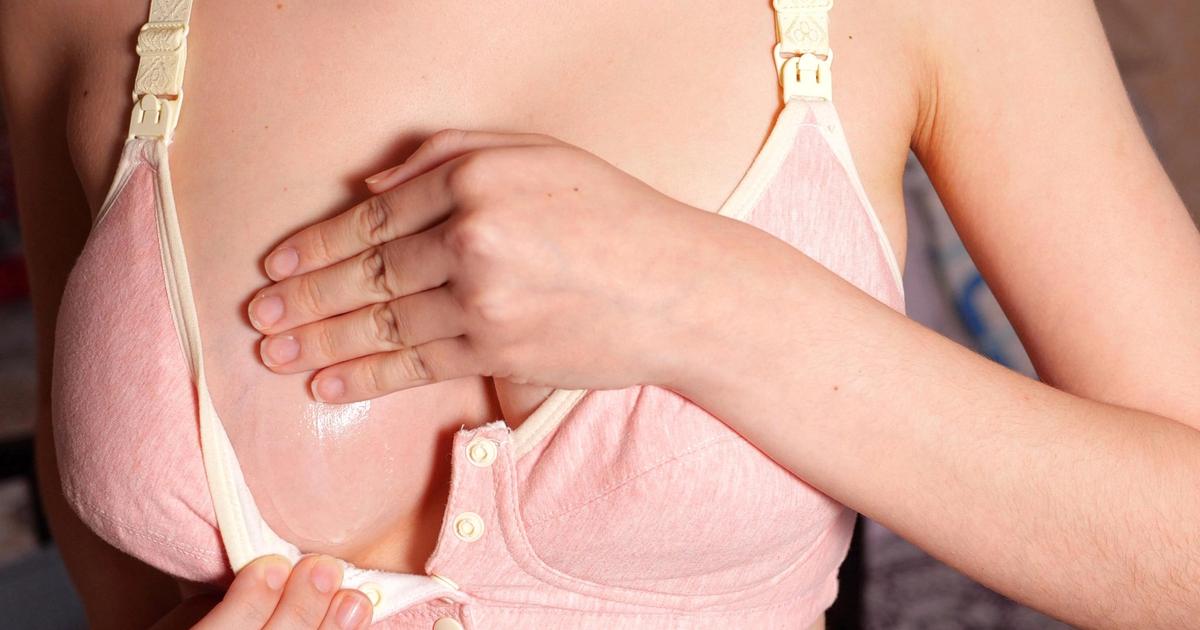
Engorgement and plugged ducts are frequent challenges that occur when milk is not drained effectively or if there is pressure on the breast from tight clothing or underwire bras. Engorgement, where the breasts feel painfully full, hard, and hot, is common when milk "comes in" or during growth spurts. To manage this, ensure you are feeding responsively and using warm compresses before a feed to help milk flow. If you feel a small, hard, tender lump, it may be a plugged duct. Gentle massage toward the nipple while the baby is feeding or while in a warm shower can often help clear the blockage.
It is critical to distinguish between common discomforts and mastitis, which is an infection of the breast tissue. Mastitis typically presents as a red, painful, wedge-shaped area on the breast, often accompanied by flu-like symptoms such as fever, chills, and body aches. If you notice these signs, you must contact your healthcare provider or a lactation consultant immediately. Mastitis often requires antibiotics, and delaying treatment can lead to more serious complications like breast abscess. Continuing to feed or pump on the affected side is actually recommended during treatment, as it helps reduce milk blockage.
Choosing the right support is also a part of breast care. Wearing a well-fitting, supportive nursing bra that does not have restrictive underwires can reduce the risk of plugged ducts. If you use nursing pads to manage leaking, change them as soon as they become damp to prevent bacterial growth against the skin.
By focusing on a good latch, gentle hygiene, and responsive feeding, you can manage many of the physical demands of breastfeeding. However, you should never feel the need to "tough out" significant pain. If you are struggling with a persistent latch issue, recurring plugged ducts, or any signs of infection, reaching out to a board-certified lactation consultant or your doctor is a practical and necessary step for your own health and the success of your breastfeeding.
A gentle reminder: The content in this article is for informational purposes only and is not intended to be a substitute for professional medical advice, diagnosis, or treatment. Always seek the advice of your pediatrician or another qualified health provider with any questions you may have regarding a medical condition. If you are facing a problem that feels sharp, persistent, or overwhelming, reaching out for professional help is a sign of strength.
Related Articles

December 29, 2025
Pelvic floor recovery: moving beyond myths to functional strength
Prioritize the functional restoration of your core muscles by looking past common misconceptions. Master specific breathing techniques and coordination strategies to protect your body during daily parenting tasks, and understand when to consult a specialist for a personalized recovery plan.
December 17, 2025
Your postpartum recovery: a realistic guide to the first six weeks
Postpartum recovery is a non-linear process starting with intense bleeding and hormonal shifts in the first week, gradually easing into a phase where energy returns but the risk of "overdoing it" remains high. Monitor your healing closely and call your doctor immediately for any health or emotional concerns.
December 17, 2025
The postpartum hormone shift: navigating mood, hair loss, and your changing body
The dramatic drop in pregnancy hormones triggers intense changes, from the common "baby blues" to significant hair loss that typically occurs three to six months postpartum. Learn to note and accept the changes in your mood and body, but also reasons to turn for healthcare professional help.
December 17, 2025
The five-minute meal practical ways to stay fed and hydrated with a newborn
To survive the exhaustion of the first few weeks, focus on assembling fuel rather than cooking by creating. Redefine what constitutes a meal with ready-to-eat items, while accepting that nutritious snacking is a valid way to stay fed.