
December 31, 2025
Sun safety for babies: protecting delicate skin in every environment
Sun protection is a critical health priority for infants because their skin is significantly different from adult skin. It is thinner, contains less melanin (the pigment that provides some natural protection), and is more prone to rapid dehydration and deep cellular damage. Whether you live in a tropical climate, a snowy region, or a home with large windows, managing UV exposure is essential for your baby’s long-term skin health.
The foundational rule for infants, especially those under six months of age, is to avoid direct sunlight as much as possible. This is because their skin is too sensitive for prolonged exposure and even for most chemical sunscreens. The goal is "barrier protection" using physical obstacles like clothing and shade to block the sun's rays.
When outdoors, seek "dense shade" under trees, umbrellas, or stroller canopies. However, be aware that shade alone is not a total shield, as UV rays can reflect off surfaces like sand, water, concrete, and even snow. In fact, snow reflects up to 80% of UV radiation, potentially doubling a baby’s exposure even on a cold day.
Clothing is your first line of defense. Choose lightweight, tightly woven fabrics that cover the arms and legs. Many modern baby garments come with a UPF (Ultraviolet Protection Factor) rating, which indicates how much UV radiation the fabric blocks. A wide-brimmed hat that protects the face, ears, and back of the neck is essential, as these areas are frequently missed and highly vulnerable.
For babies under six months, the American Academy of Pediatrics (AAP) suggests that small amounts of sunscreen can be used on exposed areas like the face and back of the hands only if adequate clothing and shade are unavailable. For babies older than six months, sunscreen should be applied to all exposed skin.
When choosing a product, opt for "mineral" or "physical" sunscreens. These sit on top of the skin and reflect rays, whereas "chemical" sunscreens are absorbed into the skin, which can cause irritation in infants. Always test a small patch of skin first to check for allergic reactions.
A common misconception is that being indoors behind glass provides total protection. While standard window glass blocks most UVB rays (the ones that cause sunburn), it typically does not block UVA rays, which penetrate deeper and contribute to long-term skin damage. If your baby’s play area or crib is positioned near a large window that receives direct afternoon sun, they are still receiving cumulative UV exposure.
To mitigate this at home:
Use sheer curtains or UV-blocking window films.
Position play mats and cribs away from the direct path of sunlight during peak hours (usually 10:00 AM to 4:00 PM).
Be mindful of "bright shade" indoors, where the sun reflects off light-colored interior walls.
In hot, humid climates, the risk of overheating and heatstroke is just as dangerous as the sun itself. Ensure your baby stays hydrated and wears breathable cotton. In cold or high-altitude climates, the air is thinner and provides less UV filtration, meaning a baby can get "snowburned" very quickly. Even on cloudy days, up to 80% of UV rays pass through the clouds, so protection should remain a constant habit regardless of the visible weather.
By prioritizing shade, using physical barriers, and being mindful of indoor UV penetration, you can protect your baby’s skin while still enjoying the outdoors. If you notice any blistering, extreme redness, or if your baby becomes unusually lethargic after being in the sun, contact your pediatrician immediately, as these can be signs of a serious burn or heat exhaustion.
A gentle reminder: The content in this article is for informational purposes only and is not intended to be a substitute for professional medical advice, diagnosis, or treatment. Always seek the advice of your pediatrician or another qualified health provider with any questions you may have regarding a medical condition. If you are facing a problem that feels sharp, persistent, or overwhelming, reaching out for professional help is a sign of strength.
https://publications.aap.org/aapnews/article/29/6/28/7670/Keep-kids-safe-from-sun-s-harmful-rays?autologincheck=redirected
Related Articles
January 5, 2026
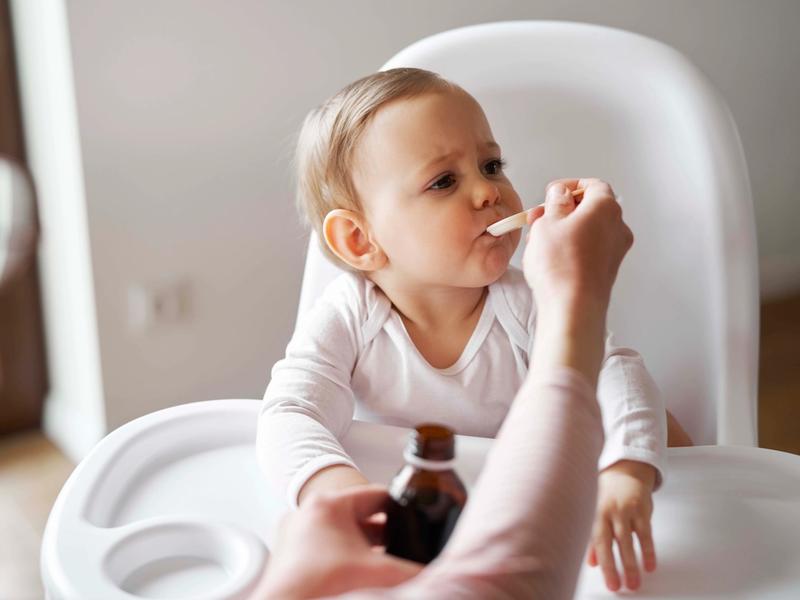
Vitamin D for Infants: Understanding the Necessity and Safe Administration
Discover the role of Vitamin D for infants in ensuring robust skeletal development and immune health. Prevent the serious risks of toxicity and dosing errors by relying on a pediatrician to tailor specific recommendations to your baby's feeding habits rather than self-diagnosing.

January 2, 2026
Understanding baby massage: benefits, boundaries, and safety
Enhance your connection and support your baby's physical comfort through the mindful practice of infant massage. Discover why seeking professional instruction is the most effective way to master safe, low-pressure techniques that protect your baby's developing anatomy while maximizing the benefits of therapeutic touch.
December 29, 2025
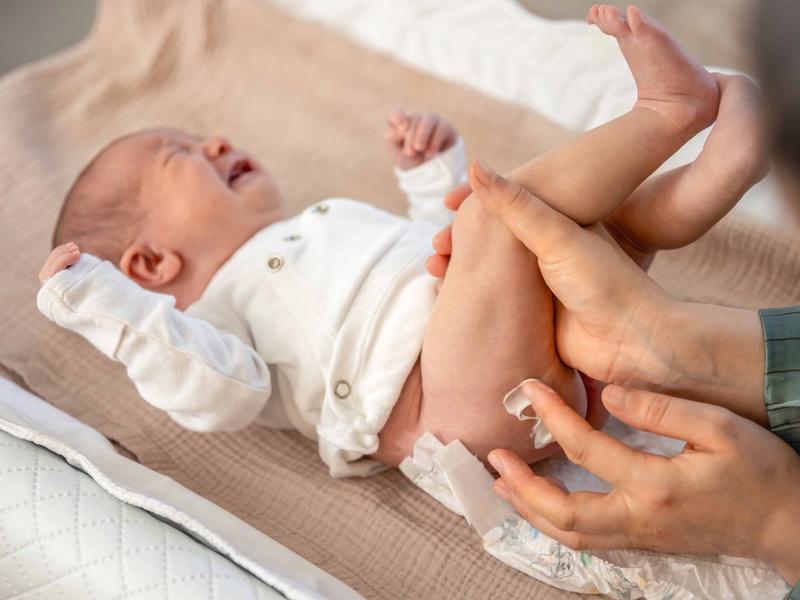
Preventing nappy rash: a strategy for skin integrity and comfort
Safeguard your baby's delicate skin integrity by mastering the core principles of moisture control and barrier protection. Learn effective preventative routines and discover how to distinguish between common irritation and specific infections that require medical intervention.
December 26, 2025
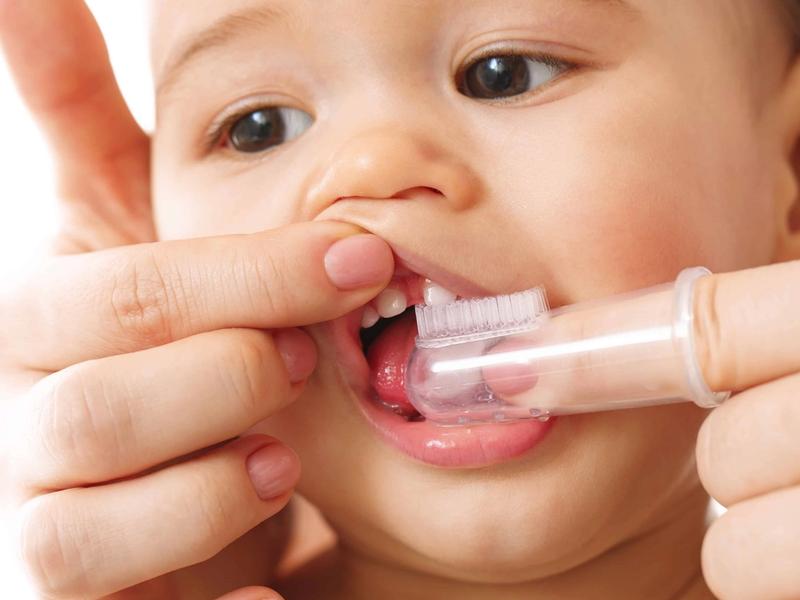
Oral care for babies: a guide to gums, first teeth, and early hygiene
Lay the groundwork for long-term dental health by establishing a hygiene routine that begins well before the arrival of the first tooth. Learn how to adapt your care strategies as your baby grows, and discover the essential preventive measures needed to protect developing teeth from early decay.