
December 29, 2025
Preventing nappy rash: a strategy for skin integrity and comfort
Nappy rash (diaper dermatitis) is one of the most common skin conditions in infants, characterized by red, inflamed, or sometimes blistered skin in the diaper area. While it is often treatable at home, the goal should always be prevention. The skin of a baby is significantly thinner and more permeable than adult skin, making it highly sensitive to the irritants found in urine and stool.
The primary cause of nappy rash is prolonged exposure to moisture and the chemical breakdown of waste. When urine and stool mix, the pH level of the skin rises, which activates enzymes that damage the skin's protective barrier. To prevent this, the most effective tool is frequent changes. You should aim to change your baby’s nappy immediately after a bowel movement and every two to three hours for urine. This minimizes the time irritants spend in contact with the skin.
When cleaning the area, "gentle" is the guiding principle. Many commercial wipes contain fragrances or alcohol that can strip the skin of its natural oils. For babies prone to rash, using plain warm water and a soft cloth or cotton wool is often the safest choice. If you do use wipes, ensure they are water-based and free of scents. It is crucial to pat the skin dry rather than rubbing it, as friction creates micro-tears in the skin that allow bacteria and yeast to enter.
Creating a physical barrier is a vital preventative step. Applying a thick layer of a barrier cream at every change acts like a shield, preventing moisture from touching the skin directly. You do not need to rub this cream in completely, as a "frosting" effect is often most effective. If the skin is already slightly pink, avoid using products with heavy perfumes or preservatives, as these can sting and worsen the inflammation.
"Nappy-free time" is perhaps the most underrated preventative measure. Allowing your baby to lie on a towel without a nappy for 10–15 minutes several times a day allows the skin to breathe and dry completely. Air exposure is the most natural way to heal minor irritation and prevent it from escalating into a more serious infection. Additionally, ensure the nappy is not fastened too tightly, because some airflow within the nappy helps keep the skin dry, and a nappy that is too tight can cause "chafing" rashes around the waist and legs.
It is important to recognize when a common rash becomes a medical issue. If the rash looks bright red with "satellite" spots (small red dots spreading away from the main area), it may be a fungal or yeast infection (candidiasis), which requires a specific anti-fungal cream prescribed by a doctor. If the rash develops blisters, pus, or if your baby develops a fever, you must seek medical attention immediately, as these can be signs of a secondary bacterial infection.
By maintaining a routine of frequent changes, gentle cleaning, and consistent barrier protection, you can protect your baby's delicate skin barrier and prevent the discomfort associated with nappy rash.
A gentle reminder: The content in this article is for informational purposes only and is not intended to be a substitute for professional medical advice, diagnosis, or treatment. Always seek the advice of your pediatrician or another qualified health provider with any questions you may have regarding a medical condition. If you are facing a problem that feels sharp, persistent, or overwhelming, reaching out for professional help is a sign of strength.
Related Articles

January 5, 2026
Vitamin D for Infants: Understanding the Necessity and Safe Administration
Discover the role of Vitamin D for infants in ensuring robust skeletal development and immune health. Prevent the serious risks of toxicity and dosing errors by relying on a pediatrician to tailor specific recommendations to your baby's feeding habits rather than self-diagnosing.

January 2, 2026
Understanding baby massage: benefits, boundaries, and safety
Enhance your connection and support your baby's physical comfort through the mindful practice of infant massage. Discover why seeking professional instruction is the most effective way to master safe, low-pressure techniques that protect your baby's developing anatomy while maximizing the benefits of therapeutic touch.

December 31, 2025
Sun safety for babies: protecting delicate skin in every environment
Safeguard your infant's delicate skin by learning the principles of UV protection across diverse environments, including indoor spaces. Prioritize physical barriers like shade and clothing, and discover how to navigate the nuances of sunscreen use and hidden environmental risks to ensure year-round safety.
December 26, 2025
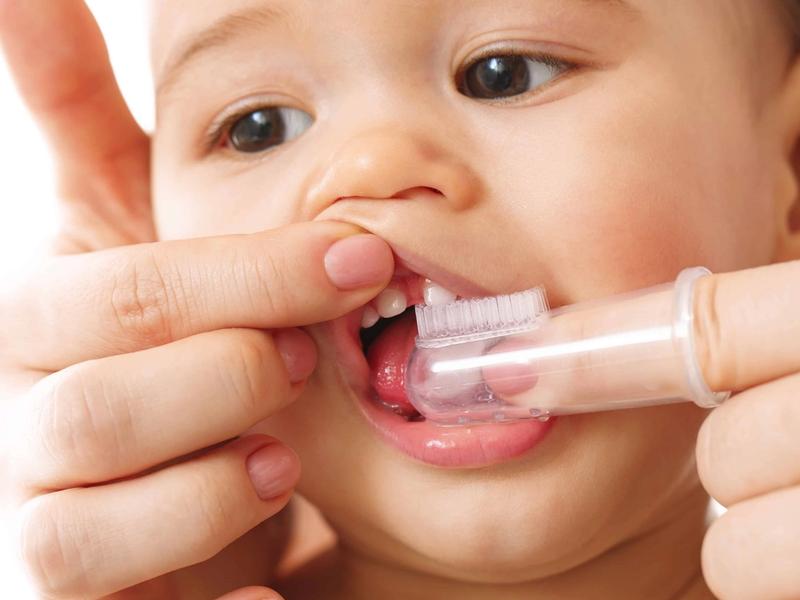
Oral care for babies: a guide to gums, first teeth, and early hygiene
Lay the groundwork for long-term dental health by establishing a hygiene routine that begins well before the arrival of the first tooth. Learn how to adapt your care strategies as your baby grows, and discover the essential preventive measures needed to protect developing teeth from early decay.