December 26, 2025
Oral care for babies: a guide to gums, first teeth, and early hygiene
Establishing oral hygiene habits should begin long before your baby’s first tooth actually appears. Maintaining a healthy environment in the mouth is essential for protecting the primary teeth that are developing beneath the gums and for preventing early childhood tooth decay.
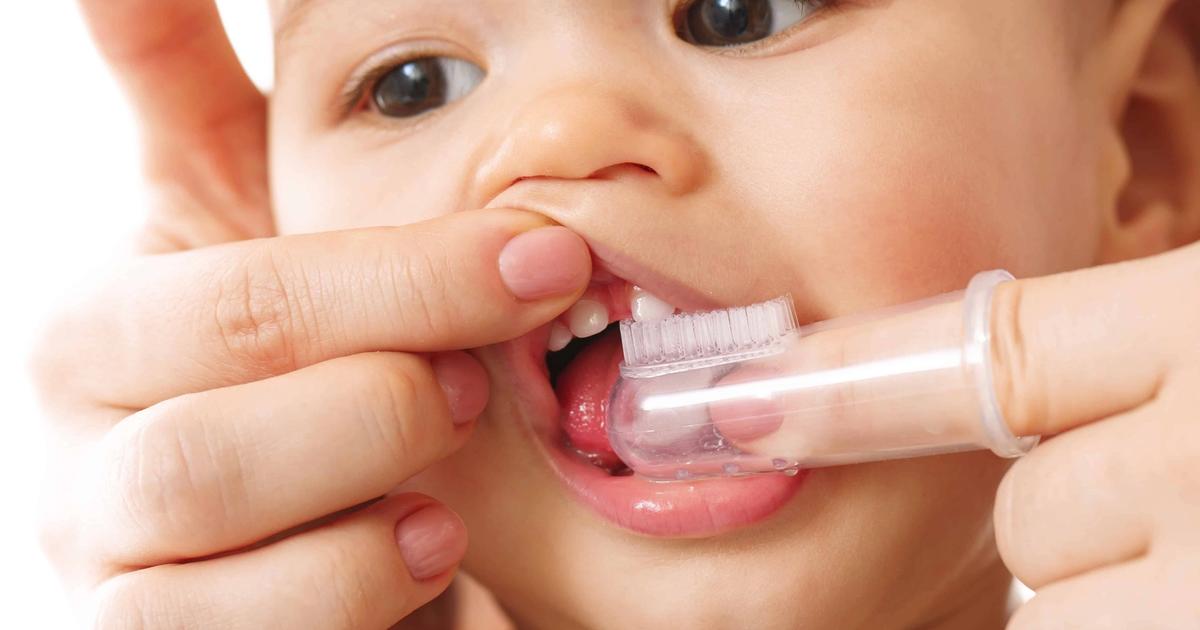
Even before the first tooth breaks through, bacteria can build up on the gums. Starting a cleaning routine early also helps your baby get used to having their mouth handled, which makes brushing easier later on. To take care, you should gently wipe your baby's gums at least once or twice a day, ideally after the last feeding of the evening. The best way to do it is using a clean, damp washcloth or a piece of sterile gauze wrapped around your finger to gently rub the upper and lower gum pads. There is no need for toothpaste at this stage.
As soon as that first tiny white edge appears, your routine must shift to actual brushing. In this case you need to switch to a small, soft-bristled toothbrush designed specifically for infants. For children under three, use a "smear" of fluoride toothpaste (roughly the size of a grain of rice). This small amount is safe even if the baby swallows it. Brush twice a day. The evening brush is the most critical, as it removes sugars that would otherwise sit on the teeth overnight.
One of the most significant risks to infant oral health is prolonged exposure to liquids containing sugar. When a baby falls asleep with a bottle of milk, formula, or juice, the liquid pools around the teeth, providing a feast for decay-causing bacteria. The common rule is to avoid putting your baby to bed with a bottle. If they need comfort to sleep, try a pacifier or a bottle filled only with plain water once they are old enough to consume it. Also, aim to transition your baby from a bottle to a sippy cup or open cup by their first birthday to reduce the time liquids spend in contact with the teeth.
Regarding pacifiers, they are common, as sucking is a natural soothing reflex. Generally, they do not cause long-term dental issues if they are skipped by age two or three. However, never dip a pacifier in honey or sugary liquids, as this causes immediate and severe damage to developing enamel.
A common mistake is waiting until a child has a full set of teeth to see a dentist. The standard recommendation is to schedule your baby's first dental checkup as soon as the first tooth appears, or by their first birthday, whichever comes first. This initial visit is often quick and focused on checking for proper development and giving you specific advice on cleaning techniques. In other cases, you should contact your pediatrician or a pediatric dentist if you notice:
white or brown spots on the teeth, which can be early signs of decay,
bleeding gums or persistent sores in the mouth,
if your baby falls and bumps their mouth, even if no teeth are visible yet, a professional should check for underlying damage.
Good oral hygiene is a marathon, not a sprint. By starting with simple gum care and moving to consistent brushing, you are setting the foundation for a lifetime of healthy habits.
A gentle reminder: The content in this article is for informational purposes only and is not intended to be a substitute for professional medical advice, diagnosis, or treatment. Always seek the advice of your pediatrician or another qualified health provider with any questions you may have regarding a medical condition. If you are facing a problem that feels sharp, persistent, or overwhelming, reaching out for professional help is a sign of strength.
Related Articles
January 5, 2026
Vitamin D for Infants: Understanding the Necessity and Safe Administration
Discover the role of Vitamin D for infants in ensuring robust skeletal development and immune health. Prevent the serious risks of toxicity and dosing errors by relying on a pediatrician to tailor specific recommendations to your baby's feeding habits rather than self-diagnosing.

January 2, 2026
Understanding baby massage: benefits, boundaries, and safety
Enhance your connection and support your baby's physical comfort through the mindful practice of infant massage. Discover why seeking professional instruction is the most effective way to master safe, low-pressure techniques that protect your baby's developing anatomy while maximizing the benefits of therapeutic touch.

December 31, 2025
Sun safety for babies: protecting delicate skin in every environment
Safeguard your infant's delicate skin by learning the principles of UV protection across diverse environments, including indoor spaces. Prioritize physical barriers like shade and clothing, and discover how to navigate the nuances of sunscreen use and hidden environmental risks to ensure year-round safety.

December 29, 2025
Preventing nappy rash: a strategy for skin integrity and comfort
Safeguard your baby's delicate skin integrity by mastering the core principles of moisture control and barrier protection. Learn effective preventative routines and discover how to distinguish between common irritation and specific infections that require medical intervention.