December 16, 2025
Postpartum weight and body image: patience, progress, and finding your new normal
It can be a disorienting and difficult experience to look in the mirror after birth and not recognize the person you see. This guide is about finding a way to be patient with your changing body and separating your worth from the number on a scale.
It is incredibly common to feel this way. Our culture is filled with the harmful myth of "bouncing back", which puts immense pressure on new parents to look the way they did before, and quickly. This is not realistic. Your body has just spent the better part of a year growing and birthing a human. It is not just about weight: your ribs may have expanded, your hips may be wider, and your entire core has shifted. This process of change takes a long, long time to settle.
The kindest and most helpful first step is to try and shift your focus from weight to healing. Your body is in a major recovery phase. It needs fuel to repair tissues, replenish nutrients, and, if you are breastfeeding, produce milk. This is a season for nourishment, not restriction. When you feel ready, and only after you have been cleared by your doctor, you can reintroduce gentle movement. The goal of this movement should not be to burn calories, but to simply reconnect with your body and feel a little stronger.
It is so important to be patient, as this process can take many months, or even years. It is also possible that your body may never look exactly the way it did before, and that is not a failure. This is a "new normal". The most important guardrail is your own mental health. It is normal to have days where you feel frustrated, but if your thoughts about your body or food feel obsessive, overwhelming, or are stealing your joy, that is a critical sign to reach out for help. Please talk to your doctor or a mental health professional who specializes in postpartum care.
Your body has done something incredible. Try to focus on what it has accomplished and what it allows you to do every day, rather than just on how it looks.
A gentle reminder: The content in this article is for informational purposes only and is not intended to be a substitute for professional medical advice, diagnosis, or treatment. Always seek the advice of your pediatrician or another qualified health provider with any questions you may have regarding a medical condition. If you are facing a problem that feels sharp, persistent, or overwhelming, reaching out for professional help is a sign of strength.
Related Articles
December 29, 2025
Pelvic floor recovery: moving beyond myths to functional strength
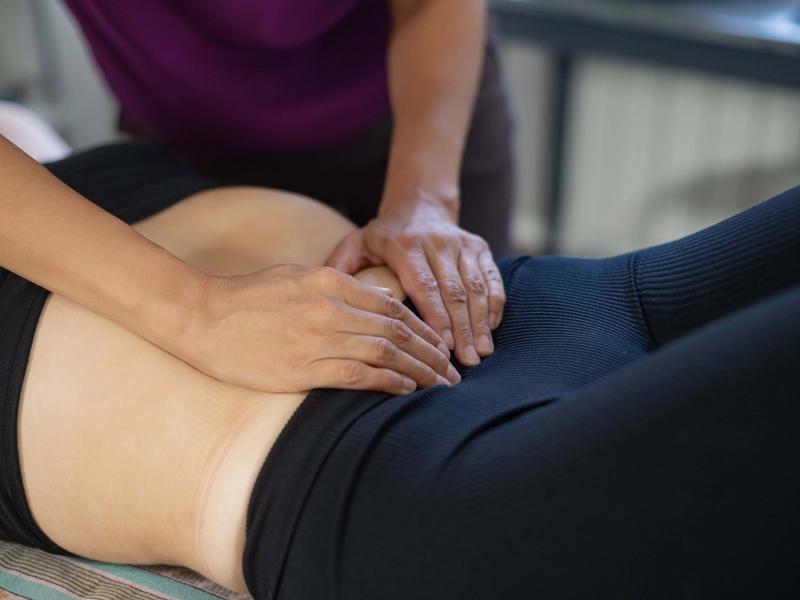
Prioritize the functional restoration of your core muscles by looking past common misconceptions. Master specific breathing techniques and coordination strategies to protect your body during daily parenting tasks, and understand when to consult a specialist for a personalized recovery plan.

December 18, 2025
Breast care for the breastfeeding parent: comfort, hygiene, and problem-solving
While feeding is prioritised to comfort, it is essential to maintain breast health through proactive hygiene and preventive measures. Learn simple habits to defend against soreness, and discover how to recognize the difference between normal sensitivity and infections like mastitis, as well as when it is advised to seek professional help.
December 17, 2025
Your postpartum recovery: a realistic guide to the first six weeks
Postpartum recovery is a non-linear process starting with intense bleeding and hormonal shifts in the first week, gradually easing into a phase where energy returns but the risk of "overdoing it" remains high. Monitor your healing closely and call your doctor immediately for any health or emotional concerns.
December 17, 2025
The postpartum hormone shift: navigating mood, hair loss, and your changing body
The dramatic drop in pregnancy hormones triggers intense changes, from the common "baby blues" to significant hair loss that typically occurs three to six months postpartum. Learn to note and accept the changes in your mood and body, but also reasons to turn for healthcare professional help.