December 15, 2025
Postpartum skin survival: managing dryness, acne, and stretch marks
It can be a shock to look in the mirror and not recognize your own skin, whether it is suddenly dry, broken out, or marked by new stretch marks. This guide is about why this happens and how to manage these common changes with simple, gentle steps.
It is common to feel frustrated, but these changes are not your fault, they are a normal part of the postpartum hormone shift. The dramatic drop in pregnancy hormones can leave your skin feeling dehydrated and dull, while at the same time, the stress, sweat, and exhaustion of new parenthood can trigger breakouts. Stretch marks are a separate issue, caused by the rapid stretching of skin during pregnancy.
If your main battle is with dryness and dullness, the key is to be gentle and focus on hydration. Try washing your face with a simple, creamy, or hydrating cleanser, and use lukewarm water instead of hot. The best time to apply moisturizer is right after, on damp skin, to lock in moisture. Look for simple, fragrance-free products with ingredients like ceramides or hyaluronic acid, which are great for restoring the skin's barrier. You do not need a complicated, multi-step routine.
If you are dealing with new acne, it is tempting to use harsh scrubs or strong treatments, but this can often make sensitive postpartum skin more irritated. Instead, focus on simple, gentle cleansing. Use a mild, non-comedogenic cleanser twice a day to manage oil and sweat, and make sure you are using a clean pillowcase. If you have specific, painful spots, it is best to talk to a dermatologist. They can recommend a safe spot treatment, which is especially important if you are breastfeeding, as many common acne ingredients are not recommended.
For stretch marks, the most important thing to know is that they are a sign of your skin stretching to grow your baby, and they are not a flaw. These marks, which often start as red or purple, will naturally fade to a lighter, silvery colour over time. While no cream can make them disappear entirely, keeping the skin well-hydrated with a thick, rich moisturizer, like one containing shea butter or cocoa butter, can help with the intense itching that often comes with healing and may improve their appearance over time.
This is not medical advice, and you do not need to diagnose yourself. If your skin is persistently painful, or if you have any rashes or breakouts that seem severe, are spreading, or are causing you a lot of distress, the right person to talk to is a dermatologist. They can give you specific advice and, if needed, recommend treatments that are safe for you.
A gentle reminder: The content in this article is for informational purposes only and is not intended to be a substitute for professional medical advice, diagnosis, or treatment. Always seek the advice of your pediatrician or another qualified health provider with any questions you may have regarding a medical condition. If you are facing a problem that feels sharp, persistent, or overwhelming, reaching out for professional help is a sign of strength.
Related Articles
December 29, 2025
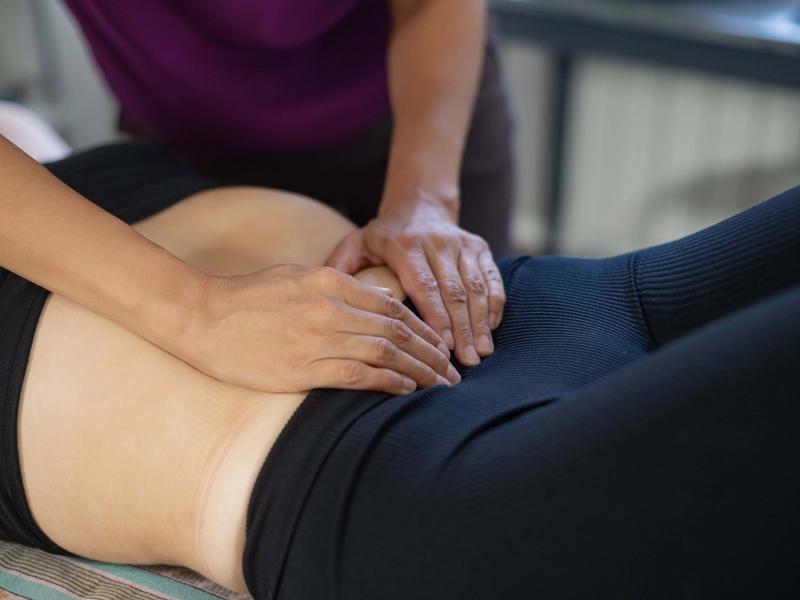
Pelvic floor recovery: moving beyond myths to functional strength
Prioritize the functional restoration of your core muscles by looking past common misconceptions. Master specific breathing techniques and coordination strategies to protect your body during daily parenting tasks, and understand when to consult a specialist for a personalized recovery plan.
December 18, 2025
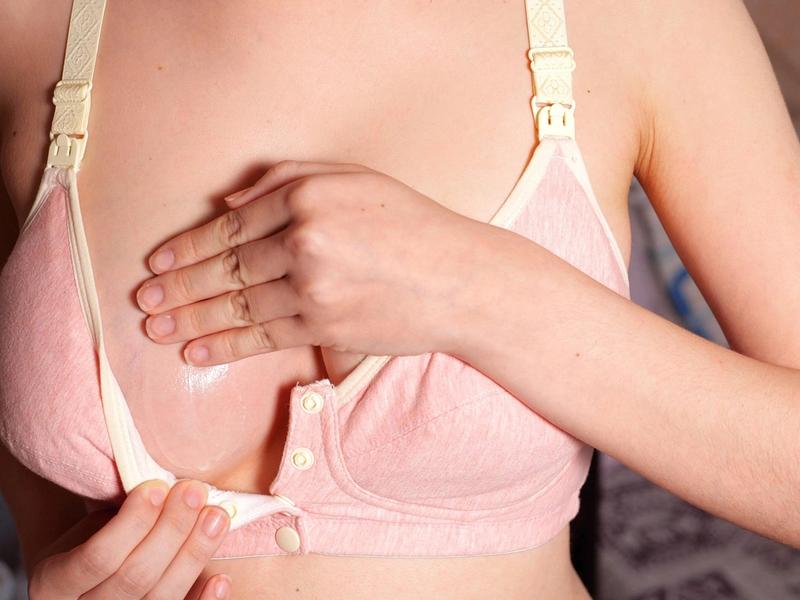
Breast care for the breastfeeding parent: comfort, hygiene, and problem-solving
While feeding is prioritised to comfort, it is essential to maintain breast health through proactive hygiene and preventive measures. Learn simple habits to defend against soreness, and discover how to recognize the difference between normal sensitivity and infections like mastitis, as well as when it is advised to seek professional help.
December 17, 2025
Your postpartum recovery: a realistic guide to the first six weeks
Postpartum recovery is a non-linear process starting with intense bleeding and hormonal shifts in the first week, gradually easing into a phase where energy returns but the risk of "overdoing it" remains high. Monitor your healing closely and call your doctor immediately for any health or emotional concerns.
December 17, 2025
The postpartum hormone shift: navigating mood, hair loss, and your changing body
The dramatic drop in pregnancy hormones triggers intense changes, from the common "baby blues" to significant hair loss that typically occurs three to six months postpartum. Learn to note and accept the changes in your mood and body, but also reasons to turn for healthcare professional help.