December 15, 2025
Postpartum hygiene: practical tips for comfort and healing
The postpartum period can feel messy, and it is common to be surprised by the physical realities of recovery. This guide is about the simple, practical hygiene tips that can help you feel more comfortable and support your healing, whether you had a vaginal birth or a C-section.
It is normal to feel overwhelmed by this stage. You are likely dealing with heavy bleeding, soreness, and hormonal shifts like sweating, all while trying to care for a new baby. The goal right now is not to feel "perfectly clean", but to focus on gentle steps that promote healing and prevent infection.
The first and most important tool you will likely get from the hospital is the peri bottle, or a simple squirt bottle. After a vaginal birth, you can fill this with warm water and use it to rinse yourself while you use the bathroom, which can soothe the area and prevent stinging. You can then gently pat the area dry with a soft cloth or toilet paper. Even after a C-section, you may find the peri bottle helpful for cleaning yourself gently without having to bend or reach uncomfortably.
You will also experience heavy postpartum bleeding, called lochia, which is like a very heavy period for the first several days before it tapers off. You will need to use heavy-duty maternity pads, not tampons, as your body heals. A simple shower can be one of the most comforting parts of your day. For most recoveries, a gentle rinse with warm water is all you need. If you had a C-section, your doctor will give you specific instructions on how to clean your incision, which often just involves letting soapy water run over it without scrubbing, and then patting it dry.
Finally, be prepared for night sweats. It is very common to wake up drenched as your body works to get rid of the extra fluids from pregnancy. This is a normal hormonal process. Keeping a spare set of pyjamas and a glass of water by your bed can make you more comfortable.
It is essential to be in close contact with your medical team, as only your doctor can tell you what is normal for your recovery. You must call your doctor right away if you develop a fever, if you notice a foul-smelling discharge, if you are passing very large blood clots, or if your pain or bleeding suddenly gets worse.
This phase of intense recovery is temporary. The best approach is to be as gentle as possible with your body, focusing on these simple steps for comfort.
A gentle reminder: The content in this article is for informational purposes only and is not intended to be a substitute for professional medical advice, diagnosis, or treatment. Always seek the advice of your pediatrician or another qualified health provider with any questions you may have regarding a medical condition. If you are facing a problem that feels sharp, persistent, or overwhelming, reaching out for professional help is a sign of strength.
Related Articles
December 29, 2025
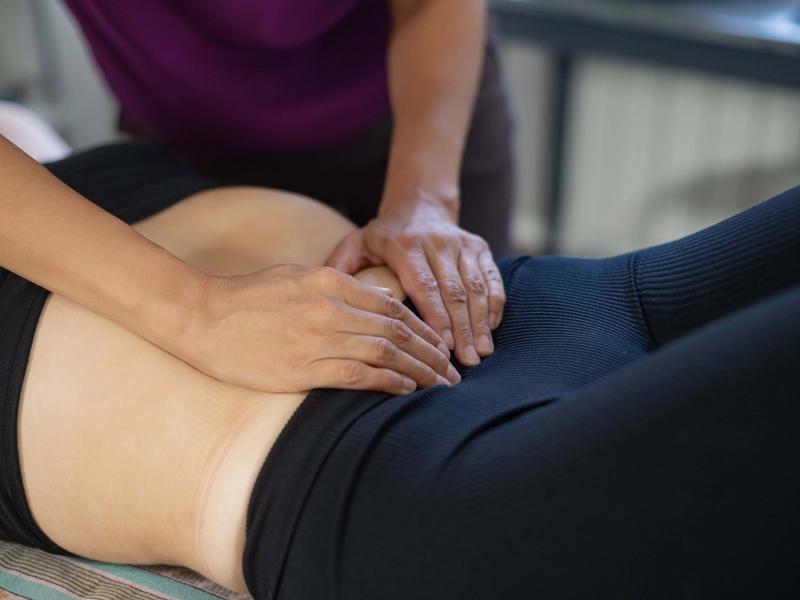
Pelvic floor recovery: moving beyond myths to functional strength
Prioritize the functional restoration of your core muscles by looking past common misconceptions. Master specific breathing techniques and coordination strategies to protect your body during daily parenting tasks, and understand when to consult a specialist for a personalized recovery plan.
December 18, 2025
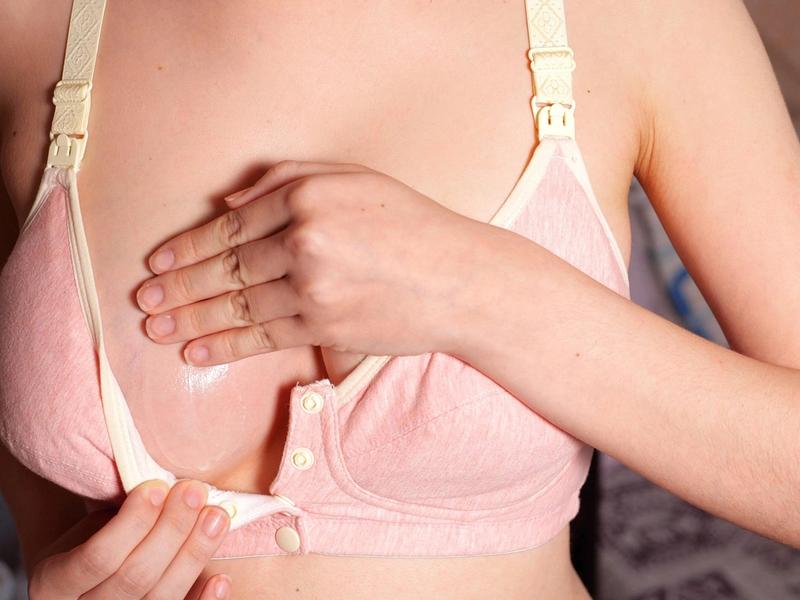
Breast care for the breastfeeding parent: comfort, hygiene, and problem-solving
While feeding is prioritised to comfort, it is essential to maintain breast health through proactive hygiene and preventive measures. Learn simple habits to defend against soreness, and discover how to recognize the difference between normal sensitivity and infections like mastitis, as well as when it is advised to seek professional help.
December 17, 2025
Your postpartum recovery: a realistic guide to the first six weeks
Postpartum recovery is a non-linear process starting with intense bleeding and hormonal shifts in the first week, gradually easing into a phase where energy returns but the risk of "overdoing it" remains high. Monitor your healing closely and call your doctor immediately for any health or emotional concerns.
December 17, 2025
The postpartum hormone shift: navigating mood, hair loss, and your changing body
The dramatic drop in pregnancy hormones triggers intense changes, from the common "baby blues" to significant hair loss that typically occurs three to six months postpartum. Learn to note and accept the changes in your mood and body, but also reasons to turn for healthcare professional help.