December 19, 2025
Establishing the Preventive Foundation: Vaccinations, Screenings, and Home Essentials
When a new baby arrives, the volume of information available online can be overwhelming, often blending evidence-based advice with anecdotal experiences that may not apply to your specific situation. While the internet can be a tool for general curiosity, it is not a substitute for the clinical judgment of a healthcare professional who knows your baby's unique medical history. Preparing a structured list of topics for your pediatrician or midwife ensures that you leave your appointments feeling empowered and equipped with medically sound guidance rather than social media trends.
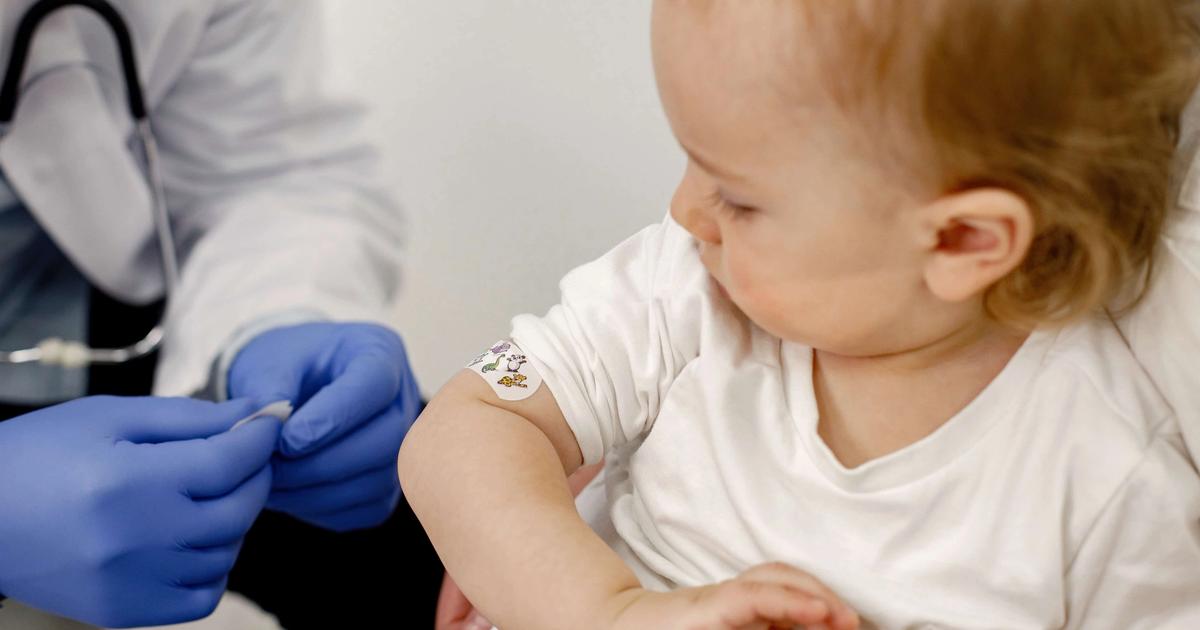
One of the most critical discussions to have early on concerns the vaccination schedule. Vaccinations are the primary defense against serious, life-altering diseases, and understanding the "why" and "when" behind each shot is essential. Ask your doctor to explain the local immunization schedule, the specific diseases each vaccine prevents, and what common side effects, such as a low-grade fever or localized redness, you should expect. This is also the time to discuss the newborn screenings performed in the hospital, such as hearing tests and metabolic prick tests, to ensure you understand the results and any necessary follow-up steps.
Also, instead of buying a pre-packaged "baby first aid kit" from a store, ask your doctor for a customized list of essential medications and devices to keep at home. This list should include appropriate fever reducers, such as infant-grade paracetamol or ibuprofen, along with a clear understanding of the correct dosage based on your baby's current weight. You should also discuss the types of thermometers available: while forehead or ear thermometers are popular, many clinicians still consider a digital rectal thermometer the "gold standard" for accuracy in infants under three months. Other items to verify include nasal aspirators for congestion, saline drops, and basic wound care supplies like antiseptic wipes and sterile gauze.
While no parent wants to imagine an emergency, being prepared for one is a vital part of proactive parenting. Ask your healthcare provider to demonstrate or point you toward a certified course for infant CPR and choking relief techniques. The physical maneuvers for a choking infant are fundamentally different from those used for adults, involving specific back blows and chest thrusts that must be performed correctly to be effective. Having your doctor or a nurse show you these techniques on a dummy during a visit can provide a level of muscle memory and confidence that a video alone cannot replicate.
A productive discussion with your doctor should also define what constitutes a medical emergency. Ask for specific parameters regarding when to call the office versus when to head straight to the emergency room. Critical topics include the definition of a "high fever" for a newborn (generally anything over 38°C or 100.4°F in the first three months), signs of respiratory distress like retractions (skin pulling in around the ribs), and indicators of severe dehydration. Understanding your doctor’s after-hours protocol, such as which nurse-line to call or which hospital they are affiliated with, can prevent panic and ensure your baby gets the right level of care at the right time.
Beyond immediate health, use your professional consultation to discuss environmental safety factors tailored to your home. This includes safe sleep practices to reduce SIDS risk, the appropriate room temperature for an infant, and how to protect a baby from household illnesses. You might also ask about "second-hand" health concerns, such as the safety of pets around a newborn or when it is appropriate to allow visitors who may have recently been ill. These professional insights help you create a protective "bubble" around your baby that is based on science rather than tradition or fear.
By treating your pediatrician as a thought partner and coming prepared with these specific questions, you move away from the noise of the internet and toward a relationship built on trust and clinical accuracy. Your doctor is there to support the health of the entire family unit, and no question is too small when it comes to the safety of your child.
A gentle reminder: The content in this article is for informational purposes only and is not intended to be a substitute for professional medical advice, diagnosis, or treatment. Always seek the advice of your pediatrician or another qualified health provider with any questions you may have regarding a medical condition. If you are facing a problem that feels sharp, persistent, or overwhelming, reaching out for professional help is a sign of strength.
Related Articles

January 5, 2026
Vitamin D for Infants: Understanding the Necessity and Safe Administration
Discover the role of Vitamin D for infants in ensuring robust skeletal development and immune health. Prevent the serious risks of toxicity and dosing errors by relying on a pediatrician to tailor specific recommendations to your baby's feeding habits rather than self-diagnosing.

January 2, 2026
Understanding baby massage: benefits, boundaries, and safety
Enhance your connection and support your baby's physical comfort through the mindful practice of infant massage. Discover why seeking professional instruction is the most effective way to master safe, low-pressure techniques that protect your baby's developing anatomy while maximizing the benefits of therapeutic touch.

December 31, 2025
Sun safety for babies: protecting delicate skin in every environment
Safeguard your infant's delicate skin by learning the principles of UV protection across diverse environments, including indoor spaces. Prioritize physical barriers like shade and clothing, and discover how to navigate the nuances of sunscreen use and hidden environmental risks to ensure year-round safety.

December 29, 2025
Preventing nappy rash: a strategy for skin integrity and comfort
Safeguard your baby's delicate skin integrity by mastering the core principles of moisture control and barrier protection. Learn effective preventative routines and discover how to distinguish between common irritation and specific infections that require medical intervention.