January 1, 2026
Swaddles versus sleep sacks: a guide to usage and safe transitions
Choosing between a swaddle and a sleep sack is a common point of confusion for new parents. While both are designed to keep a baby warm and secure without the use of dangerous loose blankets, they serve different developmental stages. Understanding the transition from the restrictive "hug" of a swaddle to the freedom of a sleep sack is essential for both the baby's safety and their motor development.
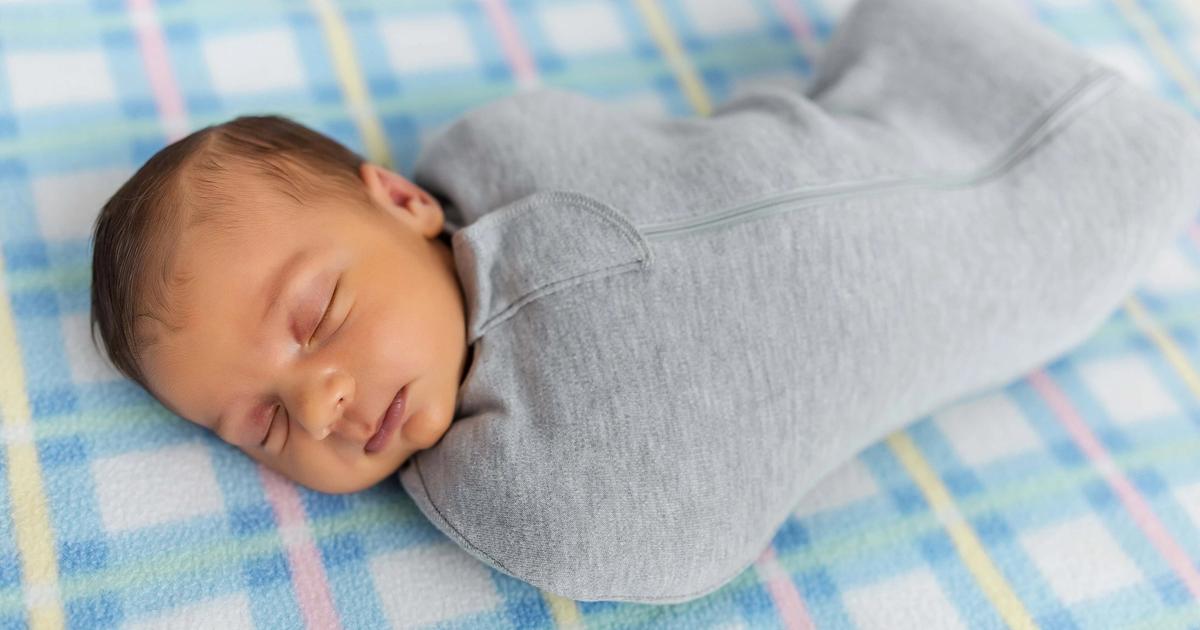
A swaddle is a large, thin blanket or a specialized wrap designed to snugly encompass a baby’s body, keeping their arms tucked close to their chest or sides. The primary purpose of a swaddle is to mimic the confined environment of the womb and to suppress the "Moro" (startle) reflex, which can cause infants to jerk their arms and wake themselves up. Most newborns find this pressure comforting, and it can be a helpful tool for settling a baby during the first few weeks of life.
When using a swaddle, it is critical to follow "hip-healthy" techniques. The wrap should be snug around the chest, but the bottom half must be loose enough to allow the baby’s legs to bend up and out at the hips. If the legs are wrapped too tightly or forced straight, it can lead to hip dysplasia. Additionally, you must monitor the baby’s temperature closely, as being wrapped in several layers of fabric can quickly lead to overheating. A baby’s chest should feel warm, not hot or sweaty.
The transition to a sleep sack must happen as soon as the baby shows any signs of attempting to roll over, which often occurs between two and four months of age. Once a baby can roll, swaddling becomes dangerous because if they roll onto their stomach, they need their arms free to push themselves up or turn their head to keep their airway clear. A swaddled baby stuck on their stomach is at a significantly higher risk of suffocation.
A sleep sack, also known as a wearable blanket, is essentially a sleeveless bag that the baby wears over their pajamas. Unlike a swaddle, it leaves the arms completely free while keeping the legs covered and warm. Sleep sacks are an excellent long-term solution because they provide the warmth of a blanket without the risk of loose fabric covering the baby's face. They also allow for a full range of motion, which is important as the baby begins to kick and find their own comfortable sleep positions.
When choosing a sleep sack, pay attention to the "TOG" rating, which indicates the warmth of the fabric. A low TOG (0.5 to 1.0) is suitable for warmer rooms, while a higher TOG (2.5) is meant for cooler environments. You should also ensure the neck opening is small enough that the baby’s head cannot slip down inside the sack, but large enough that it doesn't rub against their chin or neck.
The shift from a swaddle to a sleep sack can sometimes be disruptive to sleep as the baby gets used to their free arms. Some parents choose to transition gradually by swaddling with one arm out for a few nights before moving to the sleep sack entirely. Regardless of the method, safety must come first. Once that first roll is attempted, the swaddle must be retired immediately.
By understanding the specific purpose of each (comforting the startle reflex with a swaddle and providing safe warmth with a sleep sack) you can support your baby’s sleep needs as they grow and become more mobile.
A gentle reminder: The content in this article is for informational purposes only and is not intended to be a substitute for professional medical advice, diagnosis, or treatment. Always seek the advice of your pediatrician or another qualified health provider with any questions you may have regarding a medical condition. If you are facing a problem that feels sharp, persistent, or overwhelming, reaching out for professional help is a sign of strength.
Related Articles

December 30, 2025
Safe sleep positions: a practical guide to reducing risks and ensuring clear breathing
Master the fundamental rules of infant sleep safety to significantly reduce SIDS risks and ensure unobstructed breathing. Learn how to configure a safe sleep environment that avoids common hazards like positioners or unsafe bedding.
December 23, 2025
Infant sleep requirements: a guide to the first twelve months
Navigate the changing landscape of your baby's sleep patterns throughout their first year with this comprehensive overview. Learn how to adapt to shifting wake windows and nap structures, and discover realistic expectations for total sleep hours as your child grows.
December 16, 2025
Wake windows and naps made simple: signs, ranges, and adjustments
Wake windows should serve as flexible guides rather than rigid rules to help you anticipate sleep needs. Instead of watching the clock, focus on early sleepy cues, aiming to put your baby down before late signs like yawning signal overtiredness. Remember that these windows shift daily based on stimulation, so trusting your observations over a chart is key.
December 16, 2025
Understanding sleep training: a guide to different approaches
Sleep training helps babies learn to fall asleep independently, a milestone typically approached after 4-6 months with pediatrician approval. Methods range from the faster but emotionally difficult to high-presence techniques. Ultimately, there is no "right" way, so choose the method that aligns with your family's values and allows for consistency.