
December 30, 2025
Safe sleep positions: a practical guide to reducing risks and ensuring clear breathing
Safe sleep positions are a fundamental aspect of infant health, as the way a baby is placed to sleep directly impacts their ability to breathe and significantly reduces the risk of Sudden Infant Death Syndrome (SIDS). While there is often conflicting advice from older generations or misleading products on the market, the current medical consensus is clear and evidence-based.
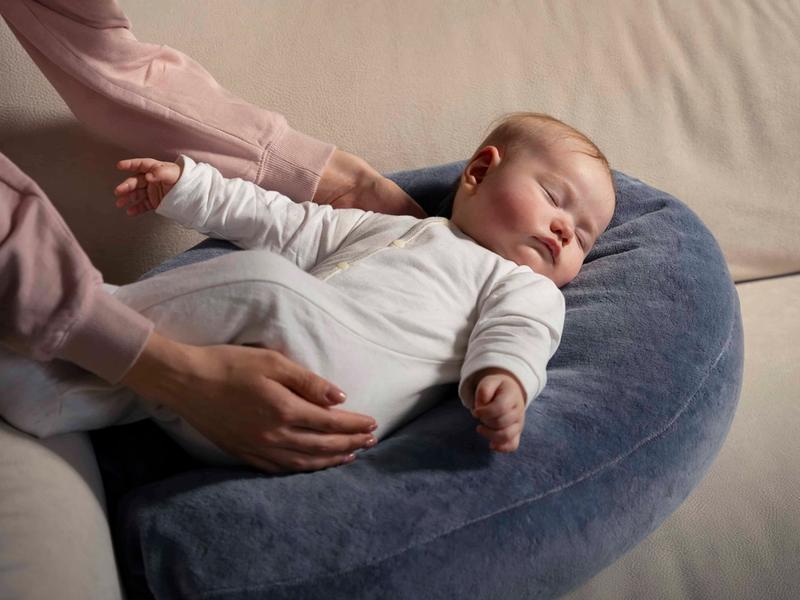
The most important rule for safe sleep is that babies must always be placed on their backs for every sleep, both at naptime and at night. Research has consistently shown that the "back to sleep" position is the safest for an infant's airway. When a baby is on their back, their upper airway is positioned above the esophagus, so if the baby spits up, gravity helps the fluid stay in the esophagus or be swallowed rather than being inhaled into the lungs. Conversely, when a baby sleeps on their stomach, the risk of "rebreathing" exhaled air increases, which can lead to a dangerous buildup of carbon dioxide and a lack of oxygen.
A common concern for parents is whether they should use "positioners", wedges, or rolled-up blankets to "fix" the baby in one place or prevent them from rolling. Medical guidelines strongly advise against using any such devices. These products are not only unnecessary but are also dangerous, as a baby can move or lean against them, leading to a risk of suffocation or trapped breathing. The sleep surface should be firm, flat, and completely clear of any loose bedding, pillows, or soft toys. If a baby is placed on their back and eventually learns to roll over on their own in both directions (from back to front and front to back), it is generally considered safe to let them remain in the position they choose, provided their sleep environment remains clear of hazards.
To avoid the risk of choking or breathing struggles, the baby’s head must remain unobstructed. This means avoiding the use of hats or hoods while the baby is sleeping indoors, as these can slip down over the nose and mouth or cause the baby to overheat. Additionally, the practice of "propping" a bottle (leaving a bottle in the baby's mouth while they are lying down to sleep) should be strictly avoided. This creates a significant choking hazard and increases the risk of ear infections and tooth decay. If you are concerned about your baby’s head shape (flat spots), the best remedy is supervised "tummy time" while the baby is awake and alert, rather than changing their sleep position.
It is also important to consider the environment surrounding the sleep surface. Bed-sharing, while common in many cultures, is associated with a higher risk of SIDS and accidental suffocation, especially in the first few months of life. The safest arrangement is "room-sharing" without "bed-sharing", where the baby sleeps in their own crib or bassinet within reach of the parents' bed. This allows for easy monitoring and feeding while maintaining a dedicated, safe space for the infant.
Following these guidelines creates a protective barrier for your baby’s breathing and overall safety. While it may feel restrictive to keep the crib so empty, a firm mattress and the "back to sleep" position are the most effective tools we have for safe infant sleep. If you notice your baby struggling to breathe, making unusual gasping sounds, or if they seem excessively lethargic, you should contact your pediatrician or emergency services immediately.
A gentle reminder: The content in this article is for informational purposes only and is not intended to be a substitute for professional medical advice, diagnosis, or treatment. Always seek the advice of your pediatrician or another qualified health provider with any questions you may have regarding a medical condition. If you are facing a problem that feels sharp, persistent, or overwhelming, reaching out for professional help is a sign of strength.
Sources:
https://publications.aap.org/pediatrics/article/150/1/e2022057990/188304/Sleep-Related-Infant-Deaths-Updated-2022?autologincheck=redirected
https://www.hopkinsmedicine.org/health/wellness-and-prevention/infant-safe-sleep
Related Articles

January 1, 2026
Swaddles versus sleep sacks: a guide to usage and safe transitions
Navigate the critical safety differences between swaddles and sleep sacks to support your baby's developmental stages. Identify the mandatory transition point to eliminate suffocation risks, and learn how to select the correct sleep sack warmth and fit for long-term safety.
December 23, 2025
Infant sleep requirements: a guide to the first twelve months
Navigate the changing landscape of your baby's sleep patterns throughout their first year with this comprehensive overview. Learn how to adapt to shifting wake windows and nap structures, and discover realistic expectations for total sleep hours as your child grows.
December 16, 2025
Wake windows and naps made simple: signs, ranges, and adjustments
Wake windows should serve as flexible guides rather than rigid rules to help you anticipate sleep needs. Instead of watching the clock, focus on early sleepy cues, aiming to put your baby down before late signs like yawning signal overtiredness. Remember that these windows shift daily based on stimulation, so trusting your observations over a chart is key.
December 16, 2025
Understanding sleep training: a guide to different approaches
Sleep training helps babies learn to fall asleep independently, a milestone typically approached after 4-6 months with pediatrician approval. Methods range from the faster but emotionally difficult to high-presence techniques. Ultimately, there is no "right" way, so choose the method that aligns with your family's values and allows for consistency.