
December 24, 2025
Managing the multiples workload: strategies for survival and sanity
Caring for multiples is a profound shift in the scale of parenting, where the physical and mental demands are not simply added, but compounded by the logistical complexity of synchronizing the needs of several infants simultaneously. This guide offers practical strategies to optimize your effort and protect your mental health.
The most significant hurdle in parenting multiples is the relentless nature of the cycle. When one baby sleeps, another may be waking, and the window for your own rest or basic household maintenance often vanishes entirely. This leads to a unique type of exhaustion and a heightened risk for burnout or postpartum mood disorders. Acknowledging that the standard advice for single-infant parenting often does not apply to your situation is the first step in reducing self-imposed pressure. Success with multiples is not about doing everything perfectly but finding the most efficient path through the day.
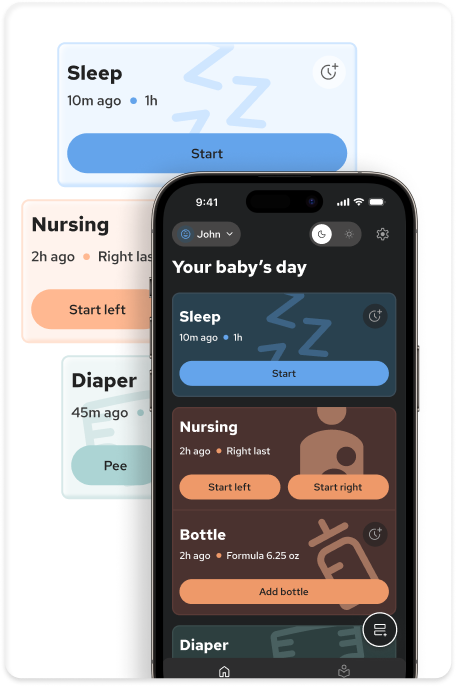
Instead of trying to force babies into an artificial, synchronized schedule, a more supportive strategy is to lean into proactive responsiveness. Every infant has a unique temperament and biological rhythm, so while one may need frequent, small feedings, another may have longer sleep stretches. Attempting to override these natural cues can lead to increased stress for both the babies and the parents. A more practical approach is to focus on "batching" your own preparation rather than the babies' actions. For example, ensure that all bottles are prepped or breastfeeding supplies are staged for the entire day so that when any baby signals a need, you can respond immediately without the added stress of preparation. Using a centralized log to track each child's individual patterns is essential, as it helps you anticipate their specific needs and ensures no one is overlooked in the fog of exhaustion.
Optimizing chores requires a shift toward radical simplicity and delegation. You must prioritize tasks that directly impact safety and health while letting go of aesthetic standards for your home. This might mean using paper plates to eliminate dishwashing, choosing clothing that is identical for all babies to simplify sorting laundry, or setting up multiple "stations" throughout the home so that diapers, wipes, and changes of clothes are always within reach regardless of which room you are in. If friends or family offer to help, assign them specific, non-childcare tasks like grocery shopping, laundry, or meal prep. This allows you to focus your limited energy on the babies and your own recovery.
The mental health of a parent of multiples requires proactive protection. Isolation is a significant risk, as the logistical difficulty of leaving the house with two or three infants can make you feel trapped. Finding a community can provide a necessary sense of perspective and shared experience. It is also vital to practice coping strategies in your daily life. If all babies are crying and their basic needs have been met, it is okay to soothe them and place them in a safe space like their cribs and after that step away for five minutes to breathe and reset.
Finally, it is essential to monitor your own well-being with the same diligence you use for your babies. If you find yourself unable to sleep even when the babies are resting, feeling a sense of resentment toward the infants, or experiencing intrusive thoughts, you must reach out to your healthcare provider. The burden of multiples is immense, and there is no shame in requiring professional support or medication to help navigate the intense physical and emotional demands of this stage. By focusing on synchronized routines and aggressive simplification, you can move through the survival phase and eventually find the unique joys that come with raising multiples.
A gentle reminder: The content in this article is for informational purposes only and is not intended to be a substitute for professional medical advice, diagnosis, or treatment. Always seek the advice of your pediatrician or another qualified health provider with any questions you may have regarding a medical condition. If you are facing a problem that feels sharp, persistent, or overwhelming, reaching out for professional help is a sign of strength.
Related Articles

December 25, 2025
Navigating solo parenthood: managing the workload and finding fulfillment
Logistical and emotional dynamics of raising a child on your own are unique. Learn how to adopt a "survival-plus" mindset to manage the workload without burnout, and discover strategies for building a reliable support system that ensures neither you nor your baby feels isolated.
December 17, 2025
The social media trap: navigating comparison, 'milestones', and finding your own way
Social media often presents a distorted "highlight reel" that leads new parents to compare their messy reality to others' curated perfection . Protect your mental health by consulting your pediatrician for genuine developmental concerns, remembering that every baby follows a unique timeline.
December 15, 2025
Screens and your baby: a realistic guide to video calls, screentime, and real-world connection
Distinguish between "passive" screentime and "interactive" time, like video calls, which can actually build connection rather than replace it. The goal is not a strictly screen-free life, but ensuring screens don't replace face-to-face interactions while allowing yourself grace for necessary pause moments.
December 15, 2025
Navigating U.S. baby paperwork: a simple guide to legal, financial, and admin tasks
The last thing you want to navigate in the newborn fog is a stack of confusing forms. This guide simplifies the administrative chaos by prioritizing urgent steps and identifying what can wait, so you can tackle the paperwork one step at a time.